 Log In
 Register


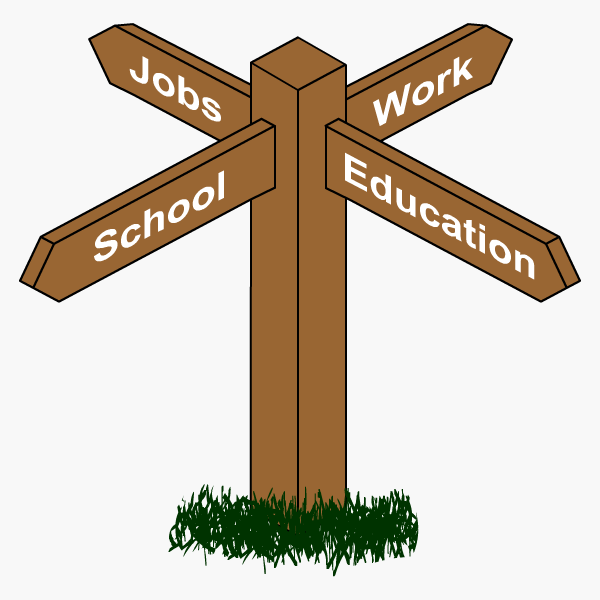
Deciding on a career can be challenging and sometimes school leavers and graduates struggle to know where to begin. There are so many career paths to choose from, and there is also the worry that you will not be able to find a job in your chosen career.
Career Considerations
When considering a career, it is vital to examine your values and beliefs and think about the areas that are important to you. You can then make a list of all the things you would like in a career and those you would not like.
- Should you consider a career that really interests you or one which offers more job opportunities?
- Do you want a career that offers a high salary or one that commands respect and status?
- Are you keen to use your skills and talents in your career?
- Do you want to specialise in a particular area or are you happy to have a more general role without any specialist skills?
- Will the career of your dreams turn out to be as satisfying as you think it will be?
Self-Examination
If you are unsure which career will suit you, it would be wise to spend some time thinking about yourself and your interests. As you become acquainted with your skills and qualities you will have a better understanding of what motivates you.
You can then start to use this information to identify matching careers, courses and potential employers. Think about the skills you wish to use at work, your feelings about further study, which working environments appeal to you, the sort of lifestyle you want and so on.
Consult and Research
Talk to your friends and family and ask them which career they think would suit you. They know you best and may be able to identify careers that match your skills and qualities.
You can also speak to a careers advisor at school or college, or you can visit your local library and read up on different industries and companies that interest you.
Online research is also helpful and important. Most business websites not only list available job posts, they also include sections that explain what they do. This is extremely useful for gaining industry knowledge and insight of careers you find appealing.
It would be good to look at some other areas too:
- Do some research into careers that interest you and find out what courses you need to get the job you want.
- You may prefer to do any type of work during the week to earn some money so that you can attend college for two or three evenings per week to work towards the career of your choice.
- Have you considered training courses and apprenticeships which match your interests and abilities? Apprenticeships are a way of combining working with studying about a job.
- You may wish to take advantage of a gap year to gain some life experience before settling down to studies or a career.
- Perhaps you are not interested in further education at all — you may wish to go straight into work and start earning a wage
6 Key Areas to Help You Decide on a Career
It would be useful to look at six key areas which will help you identify a suitable career:
- Interests
- Skills
- Knowledge
- Personal qualities
- Experience
- Achievements
Go through each of these areas, making a list of your key interests, skills, knowledge, personal qualities, experience and achievements and how they will best fit with your choice of career.
Careers Advice Resources
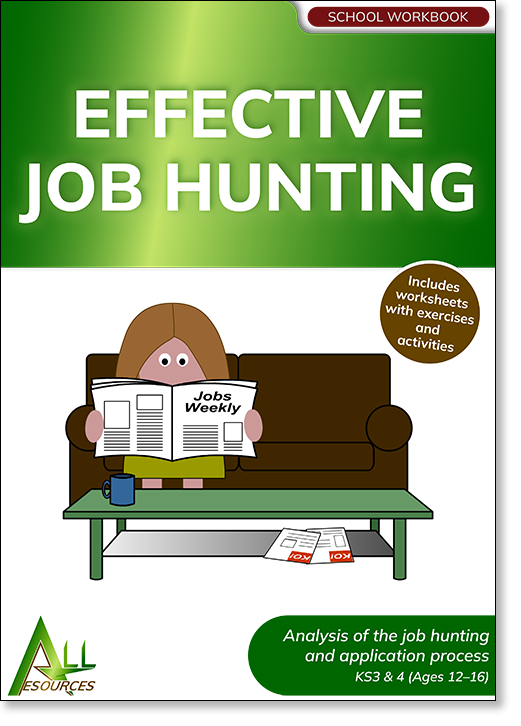
Effective Job Hunting
Examining the job hunting process including career decisions, contacting agencies, job centres etc.
- Age range: 12 years and upwards
- Category: Schools
- Published: 1999
- Last revised: 2020
- Pages: 90
PSHE Lesson Plans
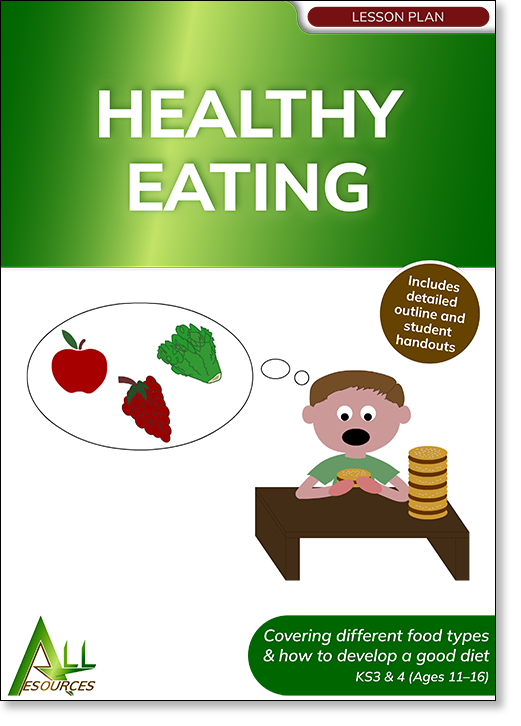
Healthy Eating
This lesson plan covers healthy eating, different food types and how to develop a healthy diet.
- Age range: 12 years and upwards
- Category: Schools
- Published: 2019
- Last revised: 2021
- Pages: 15
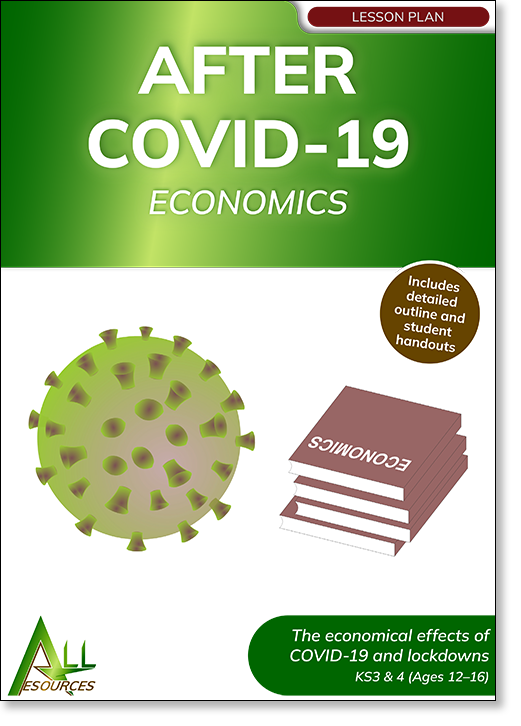
After COVID-19 — Economics
This lesson plan deals with the economical effects of COVID-19, furlough schemes and employment issues during the lockdown.
- Age range: 12 years and upwards
- Category: Schools
- Published: 2020
- Last revised: 2022
- Pages: 15
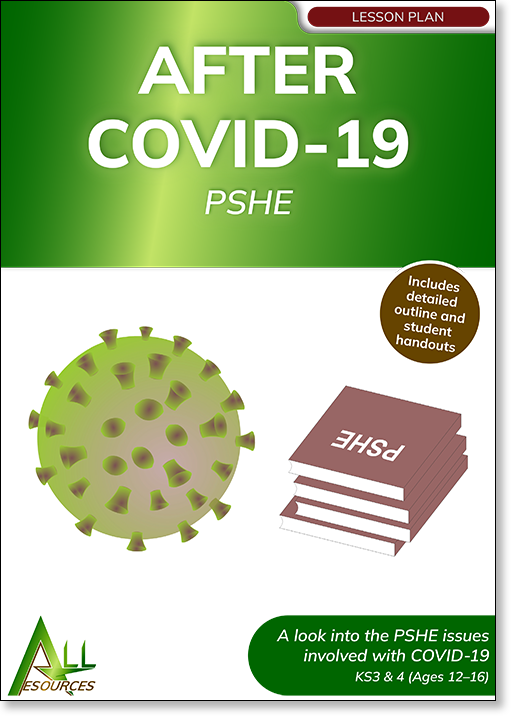
After COVID-19 — PSHE
The personal, social, health and educational issues of COVID-19 are examined in this lesson plan.
- Age range: 12 years and upwards
- Category: Schools
- Published: 2020
- Last revised: 2021
- Pages: 13
Bullying and Cyberbullying
This lesson plan covers how to deal with bullying and cyberbullying and contains handouts for the classroom.
- Age range: 12 years and upwards
- Category: Schools
- Published: 2019
- Last revised: 2021
- Pages: 15
Bullying
This covers bullying, the types of bullying, the bully, the target and how to tackle bullying.
- Age range: 12 years and upwards
- Category: Schools
- Published: 2019
- Last revised: 2021
- Pages: 13
Exam Stress
This lesson plan provides information and advice on dealing with exam stress.
- Age range: 12
- Category: Schools
- Published: 2022
- Pages: 17
Generalised Anxiety Disorder
A lesson plan examining teenage anxiety and generalised anxiety disorder — a more extreme form of anxiety.
- Age range: 12 years and upwards
- Category: Schools
- Published: 2022
- Pages: 14
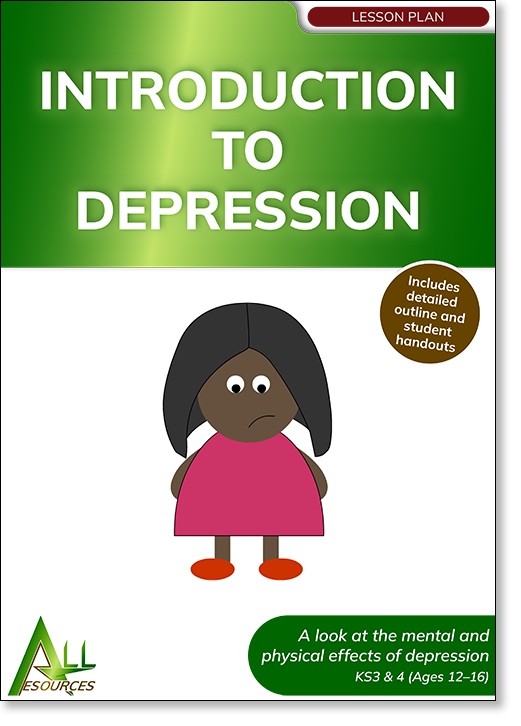
Introduction to Depression
This lesson plan introduces depression and the way it affects us physically and mentally.
- Age range: 12 years and upwards
- Category: Schools
- Published: 2022
- Pages: 14
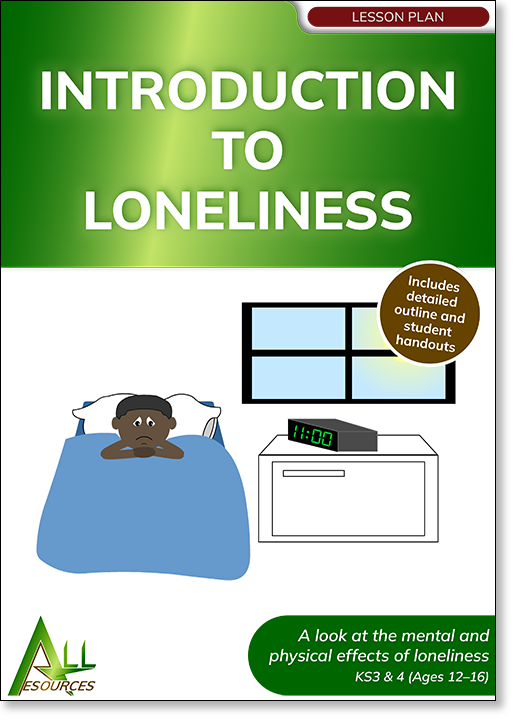
Introduction to Loneliness
An introduction to loneliness and the way it affects our physical and mental health.
- Age range: 12 years and upwards
- Category: Schools
- Published: 2022
- Pages: 15
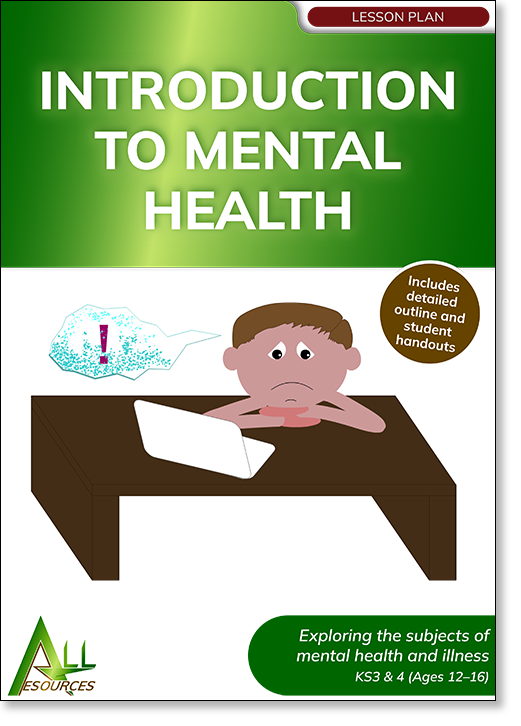
Introduction to Mental Health
This lesson plan introduces the subject of mental health and mental illness.
- Age range: 12 years and upwards
- Category: Schools
- Published: 2022
- Pages: 15
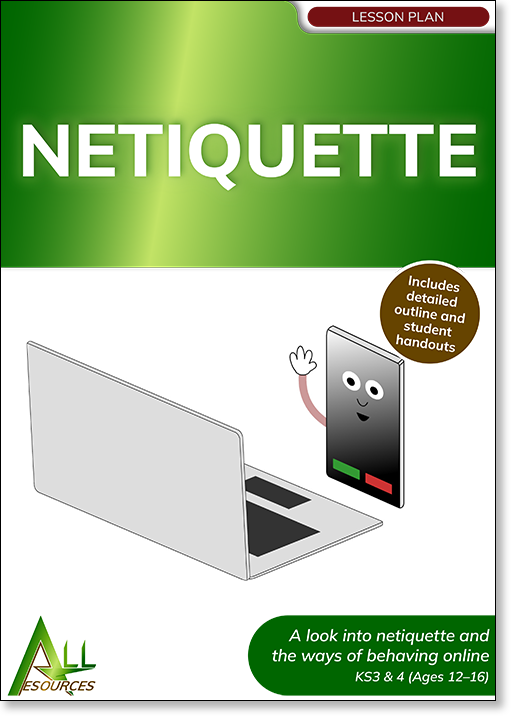
Netiquette
A lesson plan on netiquette and the different ways of behaving online.
- Age range: 12 years and upwards
- Category: Schools
- Published: 2022
- Pages: 10
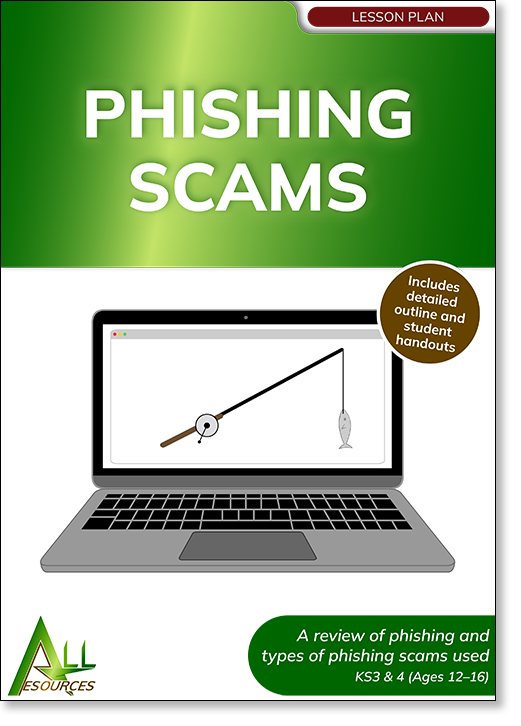
Phishing Scams
A lesson plan on phishing and the different types of phishing scams used online.
- Age range: 12 years and upwards
- Category: Schools
- Published: 2021
- Last revised: 2022
- Pages: 15
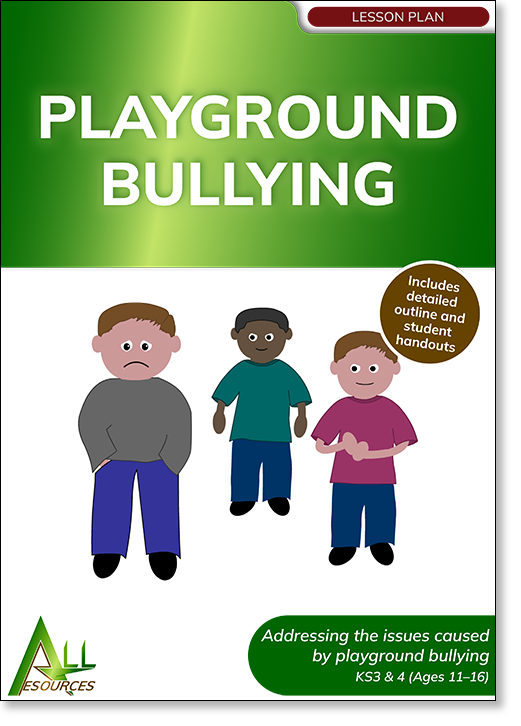
Playground Bullying
A lesson plan on playground bullying, the issues caused and addressing the topic.
- Age range: 12 years and upwards
- Category: Schools
- Published: 2022
- Pages: 17
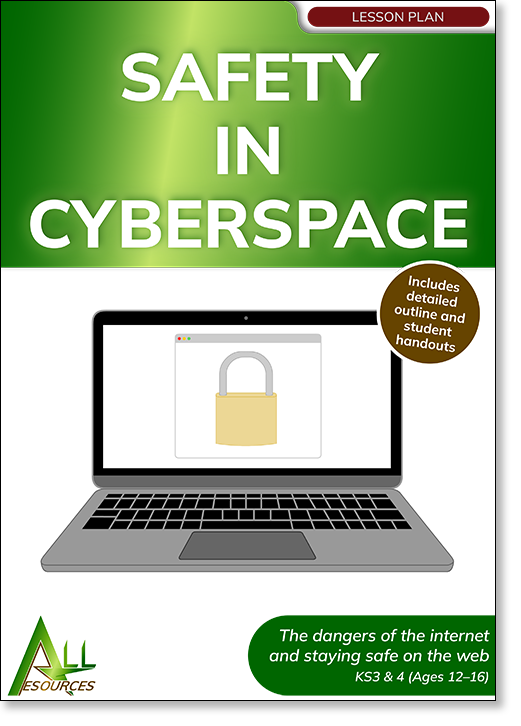
Safety in Cyberspace
This lesson plan examines the dangers of the internet and how to stay safe on the web.
- Age range: 12 years and upwards
- Category: Schools
- Published: 2019
- Last revised: 2022
- Pages: 14
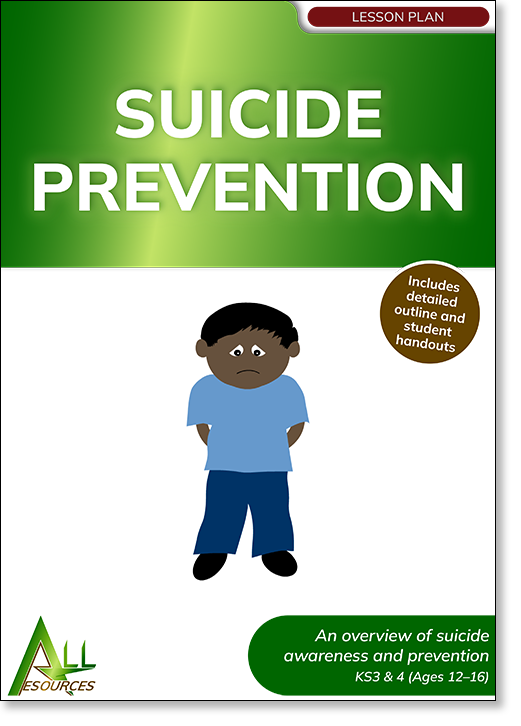
Suicide Prevention
A lesson plan designed to promote suicide awareness and prevention.
- Age range: 12 years and upwards
- Category: Schools
- Published: 2022
- Pages: 21
Free PSHE Resources
Anti-Bullying Policy For Schools
A free template to help you develop your own anti-bullying policy for your school.
- Category: Schools
- Pages: 8
Free Download
Depression
How can someone tell if they are suffering with depression? This free resource seeks to find out.
- Category: Schools
- Pages: 8
Free Download
Financial Awareness Online
Being financially aware online is important. This free resource covers the issues. Our resource pack Making Sense of Finance goes into more detail about how to manage money as well as how to keep your finances secure online.
- Category: Schools
- Pages: 6
Free Download
Loneliness
What is loneliness and what causes people to feel lonely? This free resource explores these questions.
- Category: Schools
- Pages: 6
Free Download
Targets of Bullying
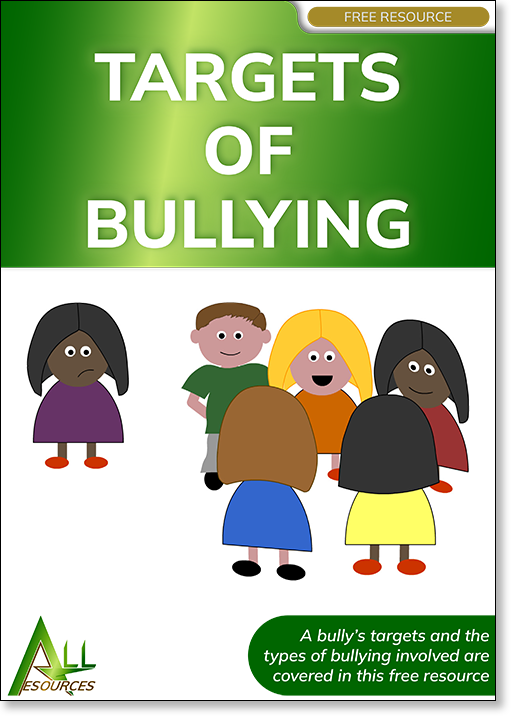
This free download covers what a bully is and the targets of bullying. See our resource pack 'Bullying — A Complete Approach' for a more comprehensive discussion on bullying, including worksheets, activities and lessons.
- Category: Schools
- Pages: 6
Free Download