 Log In
 Register

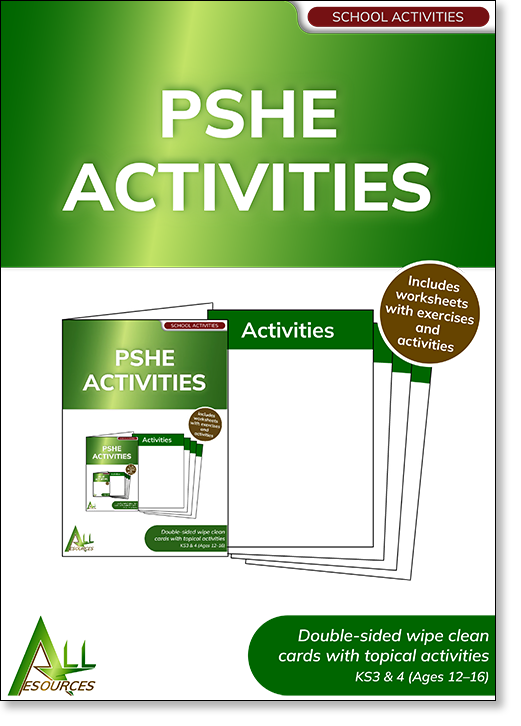
PSHE Activities
A set of activities and topics for discussion including alcohol & drugs, gender issues, bullying, depression and self-esteem.
- Age range: 12 years and upwards
- Category: Schools
- Published: 2014
- Last revised: 2021
- Pages: 25
Oracy Lesson Plans
After COVID-19 — English
A lesson plan that covers individual activities and experiences during the coronavirus through reading and writing.
- Age range: 12 years and upwards
- Category: Schools
- Published: 2020
- Last revised: 2021
- Pages: 15
Netiquette
A lesson plan on netiquette and the different ways of behaving online.
- Age range: 12 years and upwards
- Category: Schools
- Published: 2022
- Pages: 10
As young people mature it is important that they take responsibility for their own social skills, abilities, and behaviours, and this includes oracy. Good communication and self-expression is vital to build rapport, enhance self-confidence and increase motivation.
Why is Communication Important?
Humans have an inbuilt desire to communicate. In fact, communication is the bedrock of all types of relationships. It is through communication that we express our feelings, needs, wants and desires.
Both verbal and non-verbal communication provide a way for people to share ideas, knowledge and skills. The most important means of communication is language — in fact, this is what sets us apart from other creatures — our complex language systems.
What is Oracy?
The term ‘oracy’ was first coined in the 1960s to promote the importance of spoken language skills. But what is the meaning of oracy?
When we think of literacy, we think of reading and writing. When we think of numeracy, we think of mathematics. Likewise, when we think of oracy, we think of communication and speech.
Oracy is the ability to speak and express oneself effectively in a number of ways. It is an extremely important life skill which can help young people attain academic success. However, it goes deeper than this, because speaking and literacy, as well as other forms of communication, can impact a whole range of interpersonal, emotional and social skills.
When a young person is able to speak clearly and coherently, it boosts their self-esteem and enhances their self-confidence. They feel recognised, valued and self-aware.
Types of Oracy in Schools
Oracy encompasses a number of key skills. Teaching oracy can include:
- Speech and language skills — speaking clearly and succinctly on a one-to-one basis.
- Presentation skills — presenting ideas to a larger audience.
- Debating skills — taking part in debates covering a variety of topics.
- Reasoning skills — giving clear reasons to support ideas.
- Vocal skills — speaking in a variety of tones with clear pronunciation.
- Linguistic skills — understanding when and how to use a range of vocabulary.
- Audience awareness and social interaction — taking turns during conversations and managing interactions.
- Listening skills — listening and responding appropriately.
- Digital skills — online communication and netiquette.
Developing Oracy Skills
Experts in educational development believe more emphasis must be placed on oracy skills in order to enable young people to express themselves clearly. Encouraging children to articulate their ideas and thoughts is vital as this will enhance their overall learning experience. Developing oracy skills is also important for combating social exclusion and increasing educational opportunities.
Oracy Resources
We are continuing to develop oracy resource packs that enable young people to develop their ability to influence, inspire and communicate effectively with others.