
 Log In
 Register



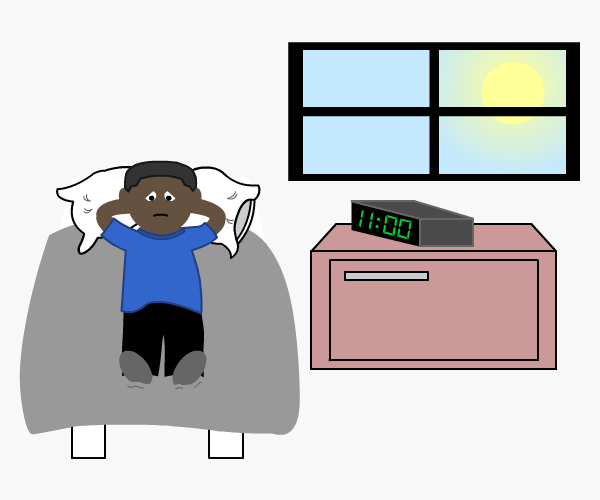
In the fourth blog for Mental Health Awareness Week 2018 we are looking at the issue of seasonal affective disorder.
What is Seasonal Affective Disorder?
Seasonal affective disorder, or SAD, is more than just a case of the winter blues. It is actually a type of mental health disorder — a type of depression that is caused by the changing seasons. Two common forms of SAD are known as winter-onset SAD and summer-onset SAD.
Winter Onset and Summer Onset SAD
It is usual for people that suffer with winter-onset SAD to start experiencing their symptoms at the start of the autumn and it continues through the winter. There are numerous symptoms of SAD and they include day long depression, low energy, sleeping problems, weight & appetite changes, lack of concentration, irritability and feelings of guilt and worthlessness.
Symptoms
The darker, colder winter months often make people feel a bit down, but sufferers of SAD have specific seasonal-related symptoms. Autumn and winter SAD sufferers often crave carb-rich foods and so weight gain is inevitable.
Spring and summer SAD is less common and has its own specific symptoms including loss of appetite, inability to sleep, and weight loss. These symptoms are the opposite to the winter form of SAD but are just as relevant. SAD sufferers can also suffer from other mental health issues such as substance abuse, anxiety disorder, and social or work-related problems.
Treatment
Like all other forms of anxiety and depression, there is treatment for SAD as follows:
- The most common form of treatment is light therapy. This is simple and effective. A sufferer uses a special light box that they expose themselves to each day, generally when they first wake up. It enhances the mood as the brain processes it as natural light and this helps to lift the depression. It is the most effective treatment for SAD.
- Talk therapy, or psychotherapy, is also an option. Many people with SAD benefit from talking to a counsellor or psychotherapist with expertise in SAD.
- SAD sufferers with more severe symptoms may benefit from medication. They need to consult their GP who may prescribe antidepressants or some other form of medication.
- Exercise is of great benefit for mental health problems including SAD. Sufferers must ensure they get sufficient exercise each day, preferably outside in the fresh air.
It is important to realise that SAD is not simply a form of moodiness — it is an actual depression that requires understanding, awareness and appropriate treatment and support.
Mental Health Resources
Suicide Awareness and Prevention
Covers suicide from a variety of perspectives, the reasons behind suicide, the groups most at risk and the warning signs.
- Category: General
- Published: 2022
- Pages: 61
Suicide is Never the Answer
Understand the reasons behind suicidal feelings in young people and recognise the signs to help prevent this tragedy.
- Age range: 12 years and upwards
- Category: Schools
- Published: 1999
- Last revised: 2022
- Pages: 44
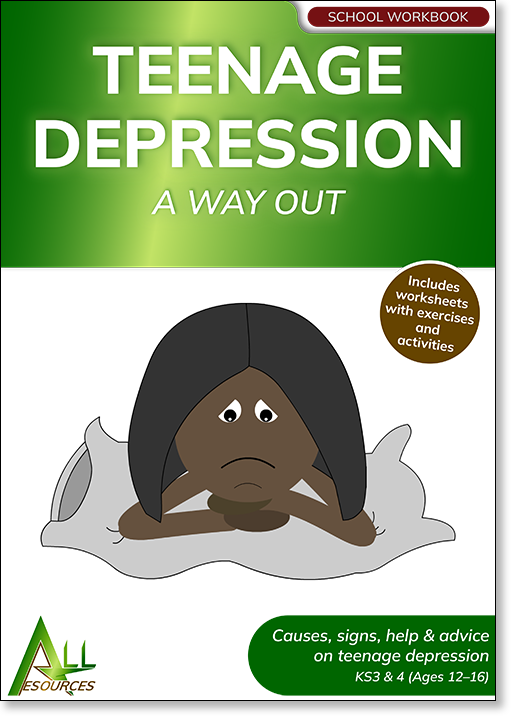
Teenage Depression — A Way Out
Tackles the issue of depression including causes and signs that parents and teachers can look out for.
- Age range: 12 years and upwards
- Category: Schools
- Published: 1999
- Last revised: 2022
- Pages: 87
Mental Health Lesson Plans
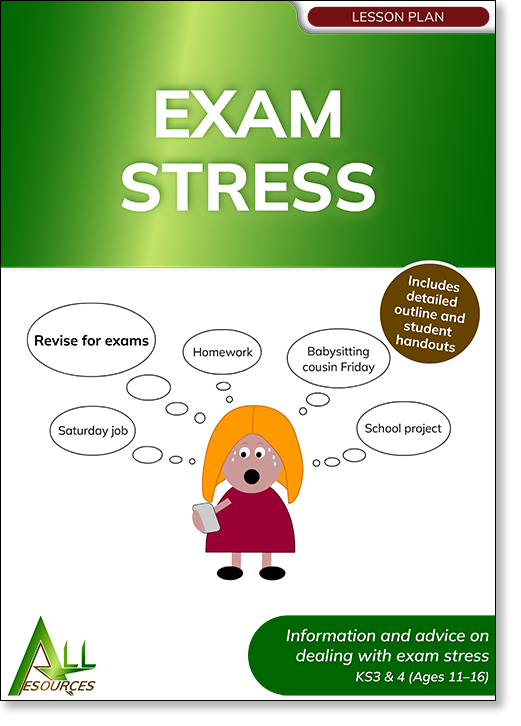
Exam Stress
This lesson plan provides information and advice on dealing with exam stress.
- Age range: 12
- Category: Schools
- Published: 2022
- Pages: 17
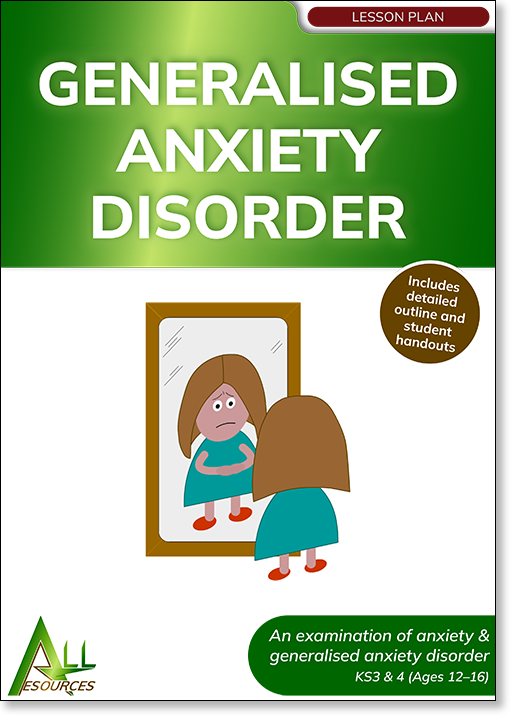
Generalised Anxiety Disorder
A lesson plan examining teenage anxiety and generalised anxiety disorder — a more extreme form of anxiety.
- Age range: 12 years and upwards
- Category: Schools
- Published: 2022
- Pages: 14
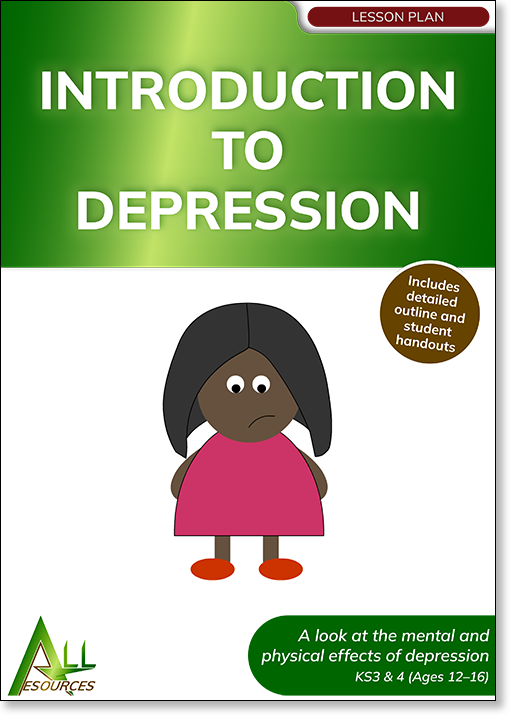
Introduction to Depression
This lesson plan introduces depression and the way it affects us physically and mentally.
- Age range: 12 years and upwards
- Category: Schools
- Published: 2022
- Pages: 14
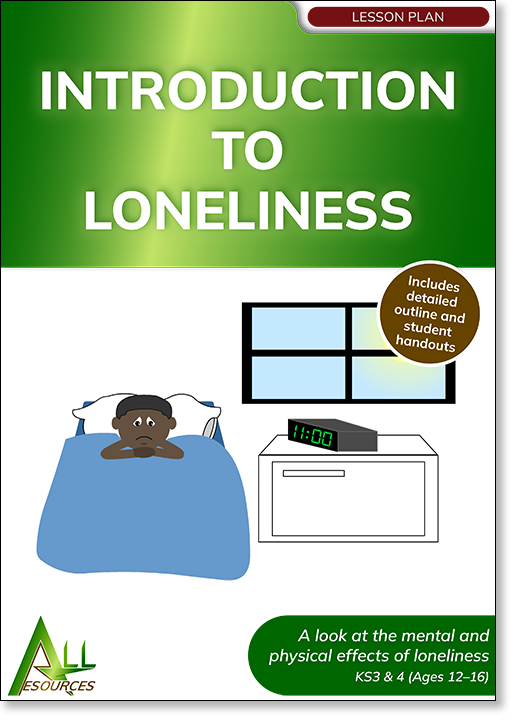
Introduction to Loneliness
An introduction to loneliness and the way it affects our physical and mental health.
- Age range: 12 years and upwards
- Category: Schools
- Published: 2022
- Pages: 15
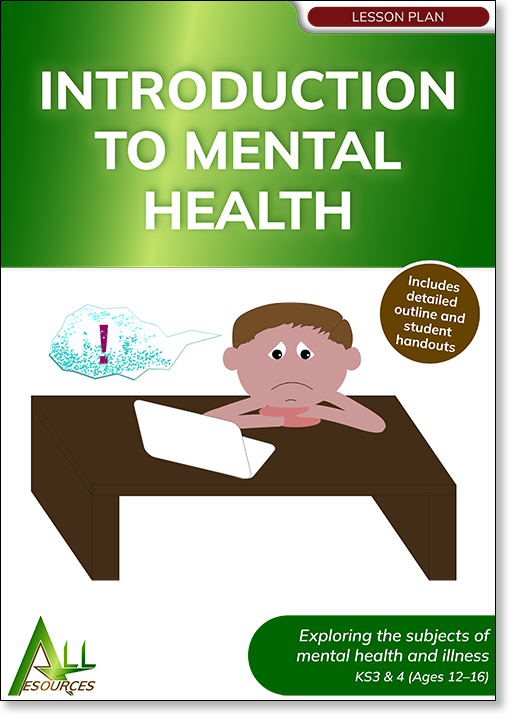
Introduction to Mental Health
This lesson plan introduces the subject of mental health and mental illness.
- Age range: 12 years and upwards
- Category: Schools
- Published: 2022
- Pages: 15
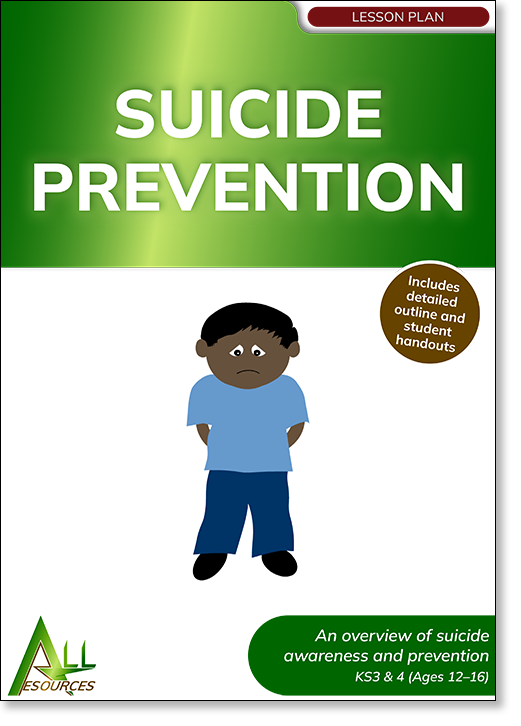
Suicide Prevention
A lesson plan designed to promote suicide awareness and prevention.
- Age range: 12 years and upwards
- Category: Schools
- Published: 2022
- Pages: 21
Free Mental Health Resources
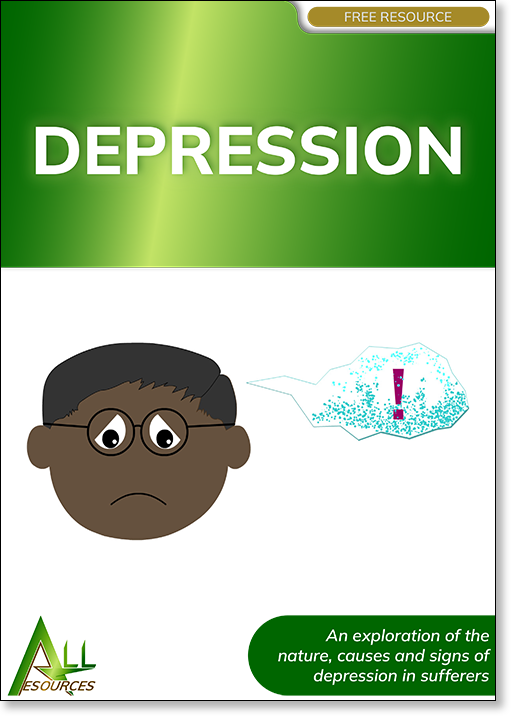
Depression
How can someone tell if they are suffering with depression? This free resource seeks to find out.
- Category: Schools
- Pages: 8
Free Download
Loneliness
What is loneliness and what causes people to feel lonely? This free resource explores these questions.
- Category: Schools
- Pages: 6
Free Download