
 Log In
 Register



This blog is part of the Mental Health Awareness Week series and examines symptoms associated with Seasonal Affective Disorder (SAD). This condition is often overlooked when discussing mental health conditions and many people are not even aware it exists.
SAD is a form of depression related to changing seasons. People with SAD typically notice that their symptoms begin and end at the same time every year. The pattern for SAD in winter usually begins in the autumn and winter months and then resolves in the spring and summer. However, some people are affected by SAD in summer and return to normal in autumn, winter.
Symptoms of SAD
Some symptoms are specific to summer onset SAD, while other symptoms are closely related to winter onset SAD. Generally though, the symptoms are very similar to depression and only come into effect in the problem season. Some of the signs of seasonal affective disorder include:
- Low energy and constant tiredness. This is not the same as usual tiredness or fatigue. It occurs even if you have not been exerting yourself and it completely zaps all your energy.
- Feeling sad every day. This type of sadness can completely overwhelm you and it is difficult to perform normal daily activities.
- Problems sleeping — even though you feel exhausted, you may find it difficult to fall asleep.
- Over-eating or craving certain food types. This is usually a desire for unhealthy foods which are high in fats and sugar.
- Lack of concentration and general feelings of hopelessness. It is difficult to perform at school or work and therefore productivity suffers.
Treatment for SAD
The treatment for SAD would be similar to the treatment provided for depression. It is recommended that you see your GP so that a treatment plan can be put in place going forward. These treatments could include: light therapy, antidepressant medication, CBT or a combination of all three.
As with other mental health conditions, there are ways to cope and manage seasonal affective disorder symptoms. Whatever treatment you choose, make sure it is the right fit for you. SAD is not something to be ashamed of, nor should it be treated differently to other mental health conditions. A good diet and exercise can help to improve your mood, as will getting enough sleep and maybe investing in a SAD lamp or alarm clock which are designed especially for SAD sufferers.
Mental Health Resources
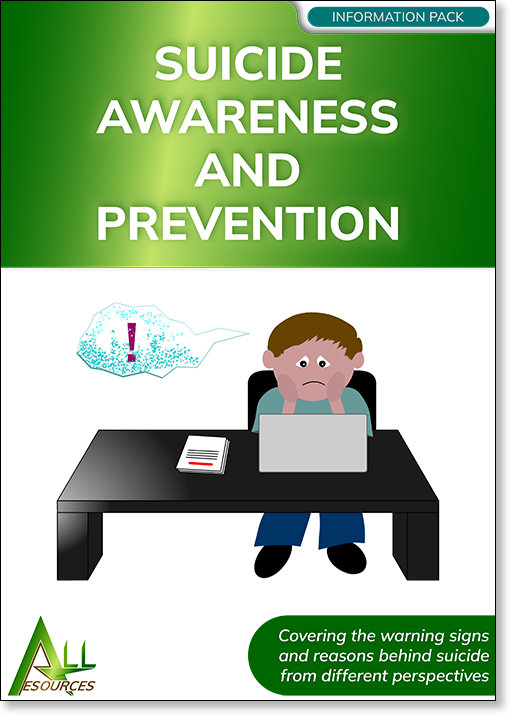
Suicide Awareness and Prevention
Covers suicide from a variety of perspectives, the reasons behind suicide, the groups most at risk and the warning signs.
- Category: General
- Published: 2022
- Pages: 61
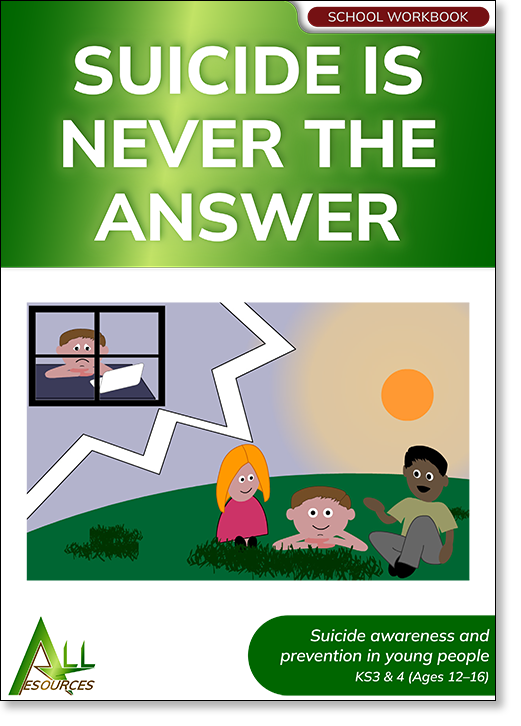
Suicide is Never the Answer
Understand the reasons behind suicidal feelings in young people and recognise the signs to help prevent this tragedy.
- Age range: 12 years and upwards
- Category: Schools
- Published: 1999
- Last revised: 2022
- Pages: 44
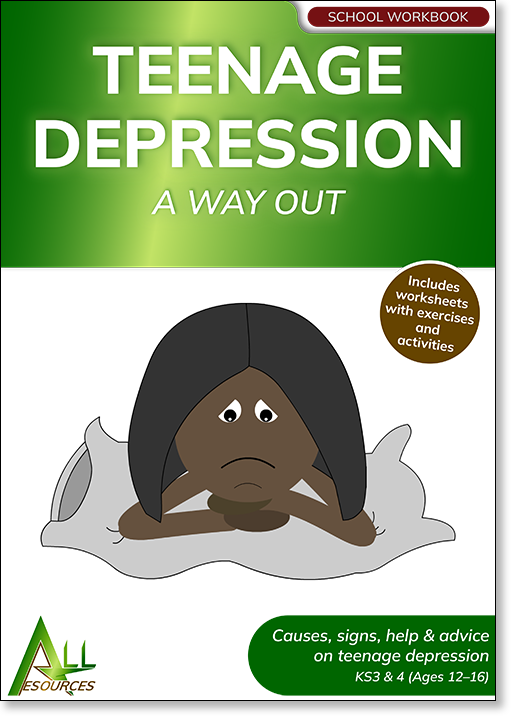
Teenage Depression — A Way Out
Tackles the issue of depression including causes and signs that parents and teachers can look out for.
- Age range: 12 years and upwards
- Category: Schools
- Published: 1999
- Last revised: 2022
- Pages: 87
Mental Health Lesson Plans
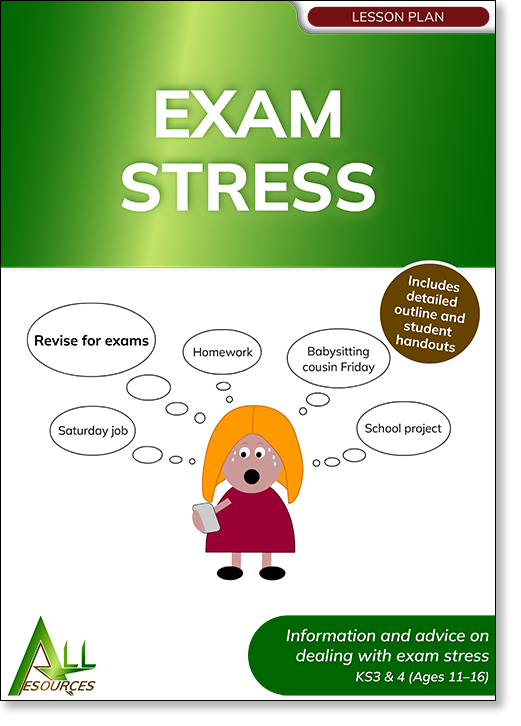
Exam Stress
This lesson plan provides information and advice on dealing with exam stress.
- Age range: 12
- Category: Schools
- Published: 2022
- Pages: 17
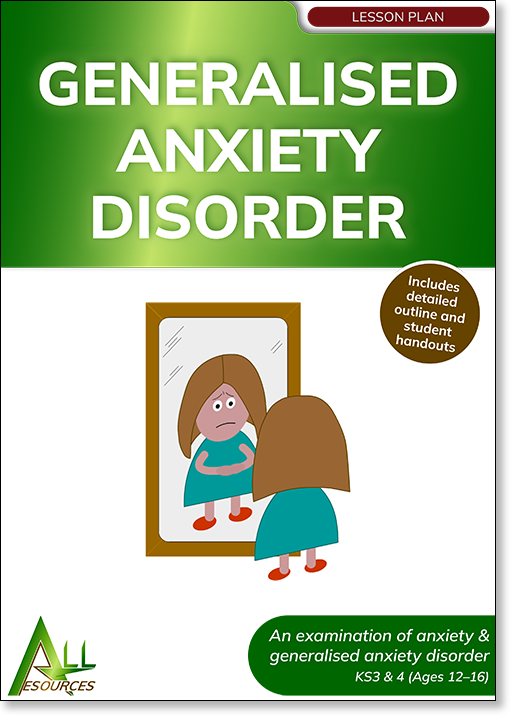
Generalised Anxiety Disorder
A lesson plan examining teenage anxiety and generalised anxiety disorder — a more extreme form of anxiety.
- Age range: 12 years and upwards
- Category: Schools
- Published: 2022
- Pages: 14
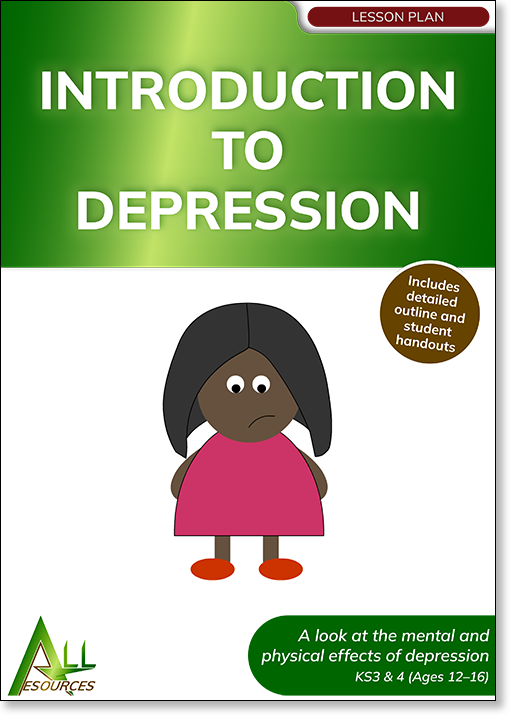
Introduction to Depression
This lesson plan introduces depression and the way it affects us physically and mentally.
- Age range: 12 years and upwards
- Category: Schools
- Published: 2022
- Pages: 14
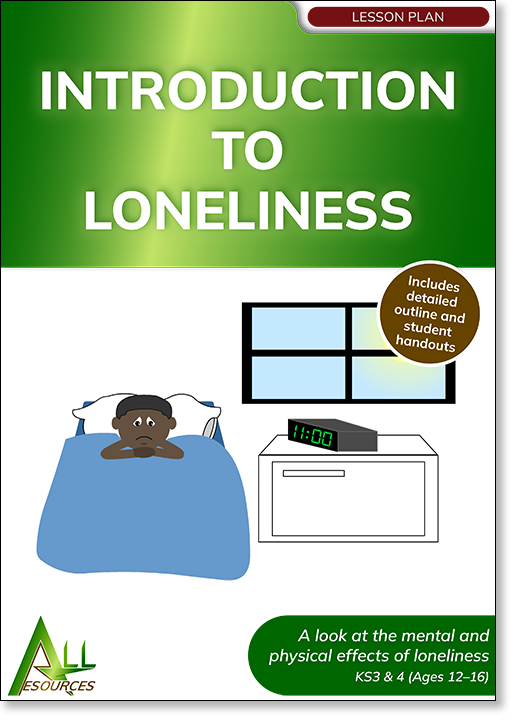
Introduction to Loneliness
An introduction to loneliness and the way it affects our physical and mental health.
- Age range: 12 years and upwards
- Category: Schools
- Published: 2022
- Pages: 15
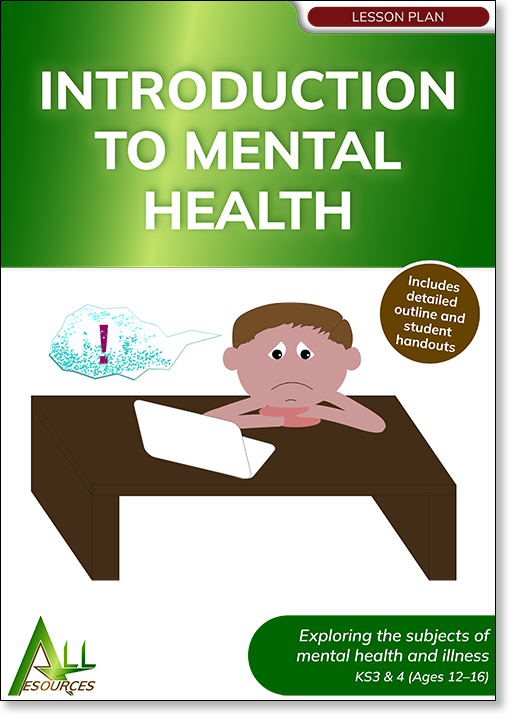
Introduction to Mental Health
This lesson plan introduces the subject of mental health and mental illness.
- Age range: 12 years and upwards
- Category: Schools
- Published: 2022
- Pages: 15
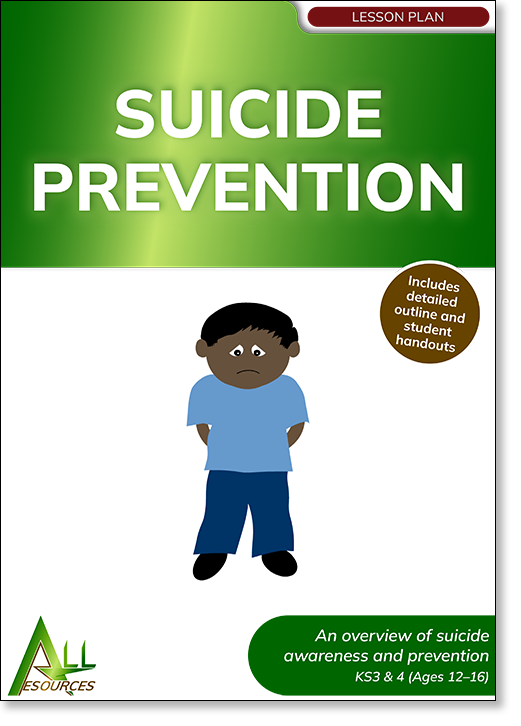
Suicide Prevention
A lesson plan designed to promote suicide awareness and prevention.
- Age range: 12 years and upwards
- Category: Schools
- Published: 2022
- Pages: 21
Free Mental Health Resources
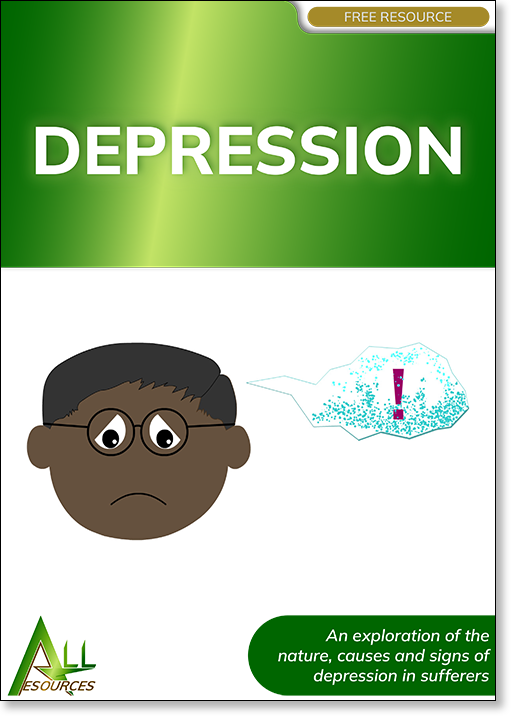
Depression
How can someone tell if they are suffering with depression? This free resource seeks to find out.
- Category: Schools
- Pages: 8
Free Download
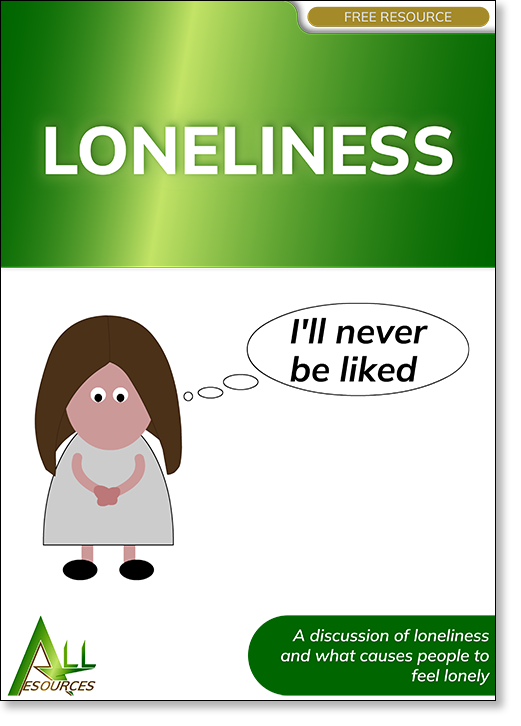
Loneliness
What is loneliness and what causes people to feel lonely? This free resource explores these questions.
- Category: Schools
- Pages: 6
Free Download