
 Log In
 Register



This article presents a review of the recently aired BBC1 documentary ‘Freddie Flintoff: Living with Bulimia’ (BBC1, 28th September 2020, 9pm). It was a harrowing report of a man in the public eye struggling with an eating disorder. It was also an extremely honest and brave account.
Andrew, also known as Freddie, a former professional cricketer with a very successful career playing for England, has battled with bulimia for 20 years. Now, aged 42 and with 4 children, he made the decision to talk publicly about this mental health condition.
Bullying Leading to Guilt
Ironically, it was the public hounding and shaming he received via the media that led to him developing an eating disorder. He was constantly a target of fat-shaming and bullying by the press because of his weight, and Freddie admitted he felt guilty every time he ate a meal. This has also resulted in his fixation with exercise, and he trains up to 10 times a week. When questioned, he admitted he exercised not to gain a muscular physique, but to lose weight.
Mental Aspects to Eating Disorders
During the documentary a medical professional at Maudsley Hospital’s Adult Eating Disorder Services explained to Freddie that bulimia is not simply the act of being sick and purging after eating. In reality, it is more to do with an unhealthy relationship with food that a sufferer has including an obsession with over-exercising.
There are 1.5 million people suffering with an eating disorder in the UK, and of these, 1 in 4 are male. In fact, eating disorders cause more deaths in the UK than any other mental illness.
According to Freddie, he became addicted to purging after food. As far as he was concerned, his eating disorder was the one part of his life that he had complete control over. In fact, this aspect of control was a recurring theme with the other men that were interviewed during the documentary. There is also a tendency for many men to over-exercise as well as having feelings of guilt attached to bulimia.
In 2012, Freddie took up professional boxing because he knew he would be required to lose weight in order to compete. In 3 months, his weight went from 118kg to 96kg. Statistics show that male athletes are 16 times more likely to have an eating disorder.
As bulimia is commonly perceived to be a female eating disorder, men who suffer from it often feel it is a sign of weakness and therefore they rarely seek help. The alarming fact is that 60% of men with eating disorders don’t seek help.
Freddie was subjected to unacceptable abuse and media bullying. This acted as a trigger for his bulimia.
This documentary was a very candid and honest account of a man battling every day with a mental and physical illness called bulimia. If more men seek help as a result of watching it, this would be an amazing and welcome result.
Mental Health Resources
Suicide Awareness and Prevention
Covers suicide from a variety of perspectives, the reasons behind suicide, the groups most at risk and the warning signs.
- Category: General
- Published: 2022
- Pages: 61
Suicide is Never the Answer
Understand the reasons behind suicidal feelings in young people and recognise the signs to help prevent this tragedy.
- Age range: 12 years and upwards
- Category: Schools
- Published: 1999
- Last revised: 2022
- Pages: 44
Teenage Depression — A Way Out
Tackles the issue of depression including causes and signs that parents and teachers can look out for.
- Age range: 12 years and upwards
- Category: Schools
- Published: 1999
- Last revised: 2022
- Pages: 87
Mental Health Lesson Plans
Exam Stress
This lesson plan provides information and advice on dealing with exam stress.
- Age range: 12
- Category: Schools
- Published: 2022
- Pages: 17
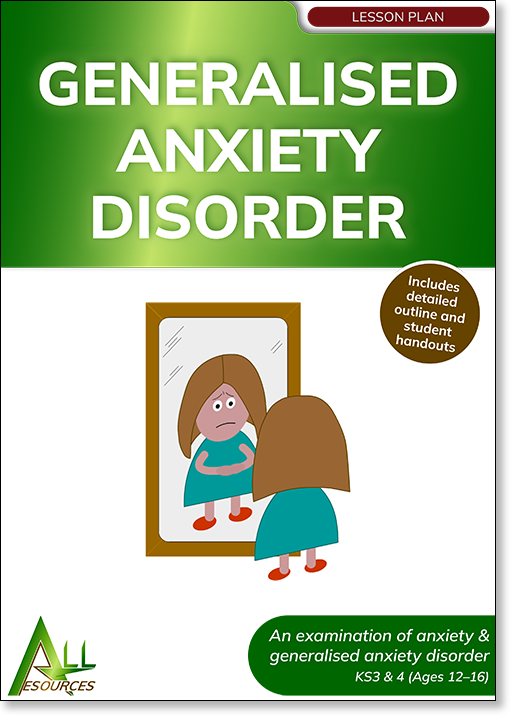
Generalised Anxiety Disorder
A lesson plan examining teenage anxiety and generalised anxiety disorder — a more extreme form of anxiety.
- Age range: 12 years and upwards
- Category: Schools
- Published: 2022
- Pages: 14
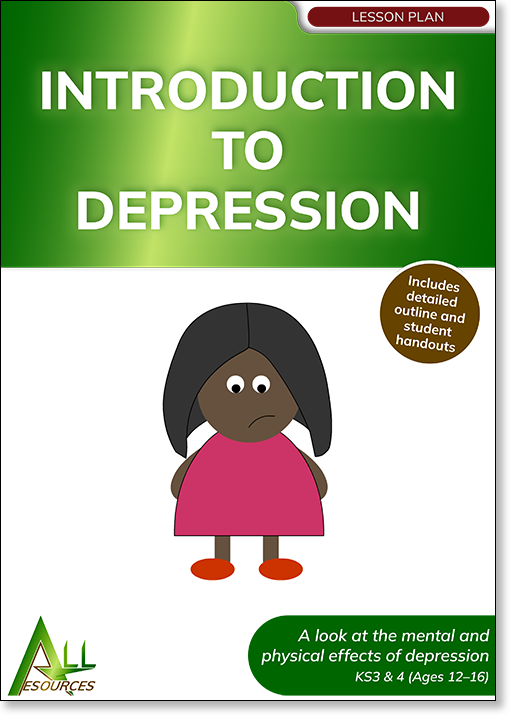
Introduction to Depression
This lesson plan introduces depression and the way it affects us physically and mentally.
- Age range: 12 years and upwards
- Category: Schools
- Published: 2022
- Pages: 14
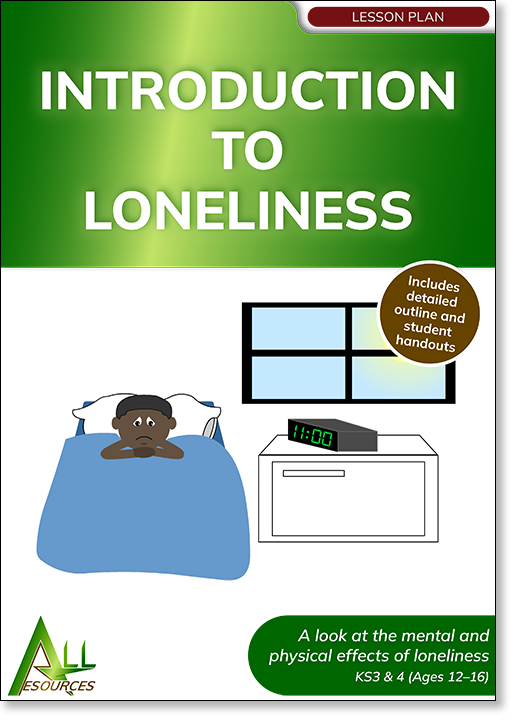
Introduction to Loneliness
An introduction to loneliness and the way it affects our physical and mental health.
- Age range: 12 years and upwards
- Category: Schools
- Published: 2022
- Pages: 15
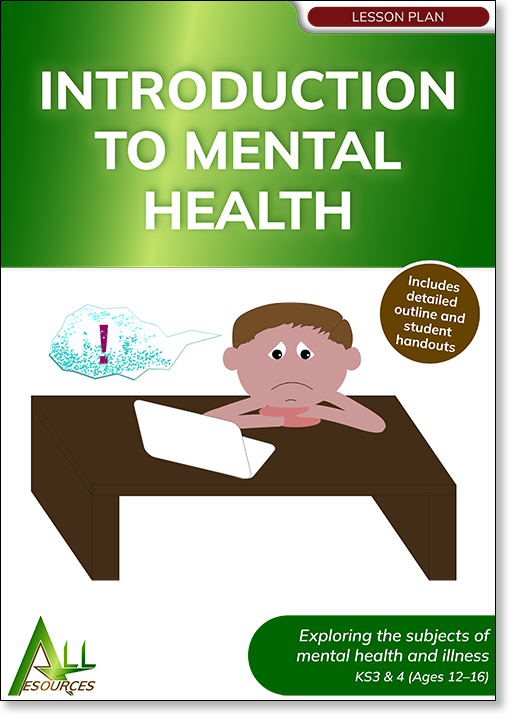
Introduction to Mental Health
This lesson plan introduces the subject of mental health and mental illness.
- Age range: 12 years and upwards
- Category: Schools
- Published: 2022
- Pages: 15
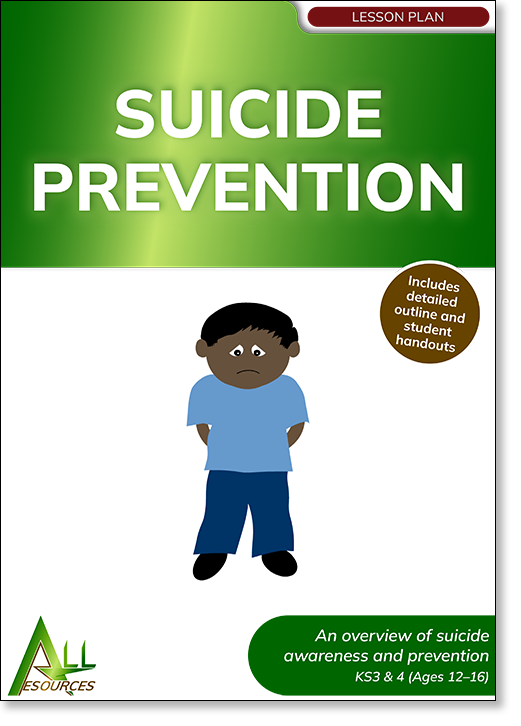
Suicide Prevention
A lesson plan designed to promote suicide awareness and prevention.
- Age range: 12 years and upwards
- Category: Schools
- Published: 2022
- Pages: 21
Free Mental Health Resources
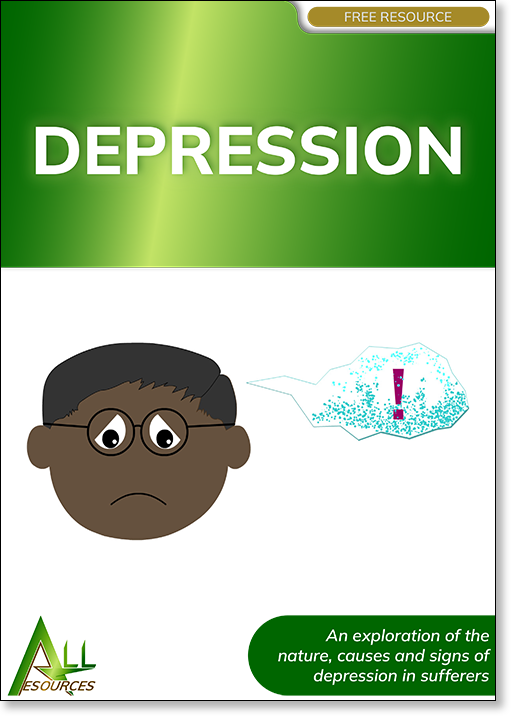
Depression
How can someone tell if they are suffering with depression? This free resource seeks to find out.
- Category: Schools
- Pages: 8
Free Download
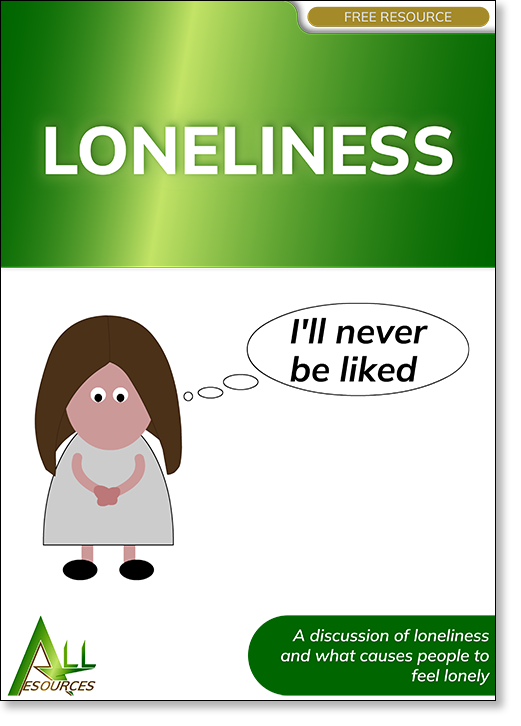
Loneliness
What is loneliness and what causes people to feel lonely? This free resource explores these questions.
- Category: Schools
- Pages: 6
Free Download