
 Log In
 Register



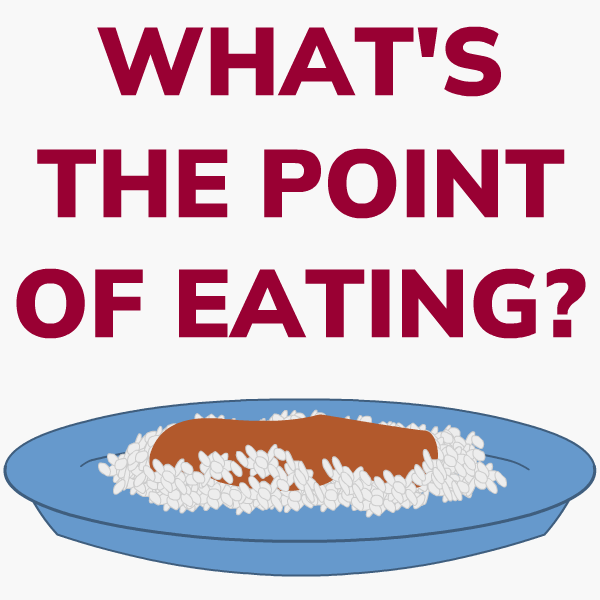
We need food to survive — a fairly simple concept. However, the rapid rise in eating disorders indicates a fundamental problem whereby many people have a distorted relationship with food which leads to eating disorders.
The definition of an eating disorder is a health condition which causes a serious change in ones normal eating habits and which could, if left untreated, be potentially life-threatening.
Common Eating Disorders
The three most common types of eating disorders are anorexia nervosa, bulimia and binge eating. With each of these conditions, the main issue is not necessarily about food.
There are various underlying reasons why an individual may develop an eating disorder, and very often this issue is linked to control. The individual may feel that they lack control in certain areas of their lives or in certain circumstances. They therefore try to exert control over the one thing they feel they have power over: the food they consume.
As well as acting as a control mechanism, in the case of binge eating, food is often used as a form of comfort and is no longer a means to obtain nourishment and sustenance.
Media Influences on Eating Behaviours
One major issue that has led many people to develop a distorted view of food is the pressure exerted by social media and printed material to look a certain way. This is also evident by the many pro-anorexia social media sites that vulnerable people have access to.
In recent years, reality television has also presented an unrealistic body image highlighting how an individual should look and dress in order to make themselves attractive and desirable. The constant bombardment of images showing thin, model-type figures (which are often enhanced by plastic surgery and elective procedures) has a seriously negative effect on individuals who may already be struggling with low self-worth and eating issues.
Beauty from Within
In our modern age, the most important message to get across to all people, especially impressionable youths, is that of positivity and acceptance. People should embrace themselves however they look. External appearances are irrelevant if you are uncomfortable with yourself as a person.
Treating others with kindness and respect far outweighs personal looks. Even good-looking individuals can become unattractive if their personality and behaviour is ugly.
Pressurising people to look a certain way can lead to distorted views of food and diet which in turn can cause eating disorders.
People in positions of authority who can influence to a certain extent the content on social media and television bear some of the responsibility. They can take steps to avoid using unrealistic, perfectionist images by promoting more realistic, natural images which help build confidence and self-esteem.
Mental Health Resources
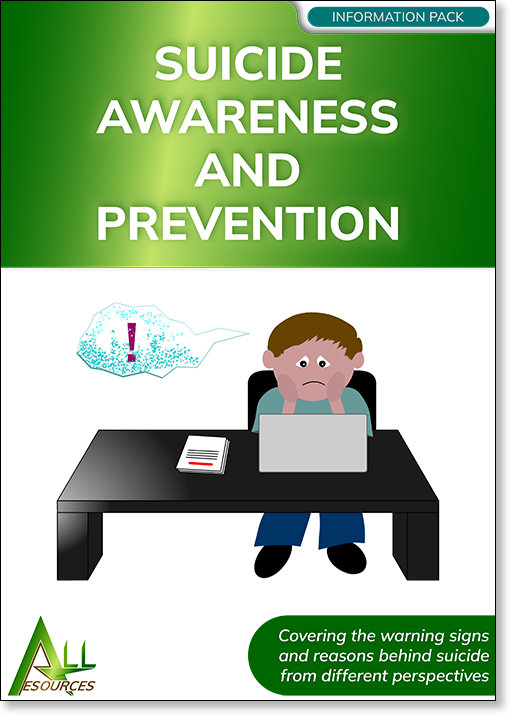
Suicide Awareness and Prevention
Covers suicide from a variety of perspectives, the reasons behind suicide, the groups most at risk and the warning signs.
- Category: General
- Published: 2022
- Pages: 61
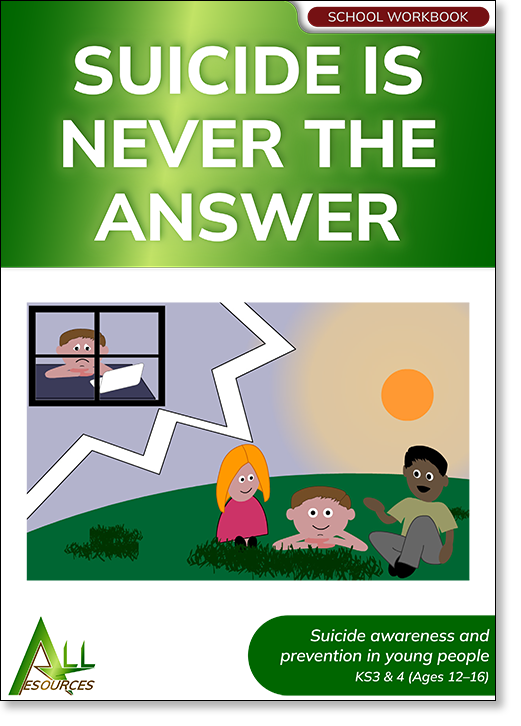
Suicide is Never the Answer
Understand the reasons behind suicidal feelings in young people and recognise the signs to help prevent this tragedy.
- Age range: 12 years and upwards
- Category: Schools
- Published: 1999
- Last revised: 2022
- Pages: 44
Teenage Depression — A Way Out
Tackles the issue of depression including causes and signs that parents and teachers can look out for.
- Age range: 12 years and upwards
- Category: Schools
- Published: 1999
- Last revised: 2022
- Pages: 87
Mental Health Lesson Plans
Exam Stress
This lesson plan provides information and advice on dealing with exam stress.
- Age range: 12
- Category: Schools
- Published: 2022
- Pages: 17
Generalised Anxiety Disorder
A lesson plan examining teenage anxiety and generalised anxiety disorder — a more extreme form of anxiety.
- Age range: 12 years and upwards
- Category: Schools
- Published: 2022
- Pages: 14
Introduction to Depression
This lesson plan introduces depression and the way it affects us physically and mentally.
- Age range: 12 years and upwards
- Category: Schools
- Published: 2022
- Pages: 14
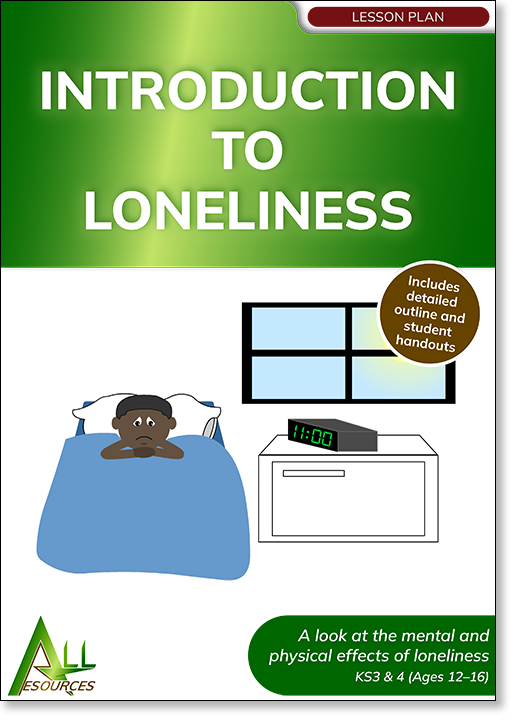
Introduction to Loneliness
An introduction to loneliness and the way it affects our physical and mental health.
- Age range: 12 years and upwards
- Category: Schools
- Published: 2022
- Pages: 15
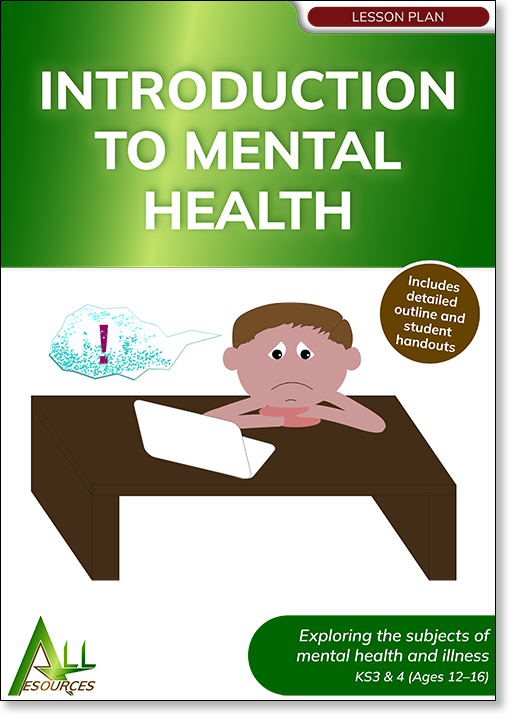
Introduction to Mental Health
This lesson plan introduces the subject of mental health and mental illness.
- Age range: 12 years and upwards
- Category: Schools
- Published: 2022
- Pages: 15
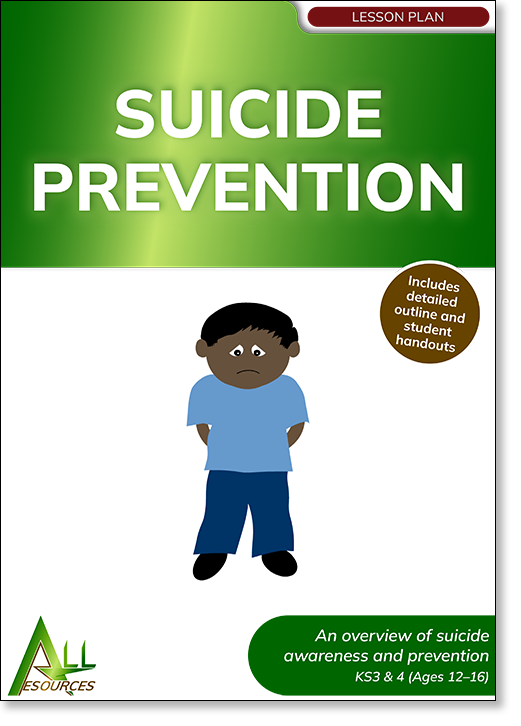
Suicide Prevention
A lesson plan designed to promote suicide awareness and prevention.
- Age range: 12 years and upwards
- Category: Schools
- Published: 2022
- Pages: 21
Free Mental Health Resources
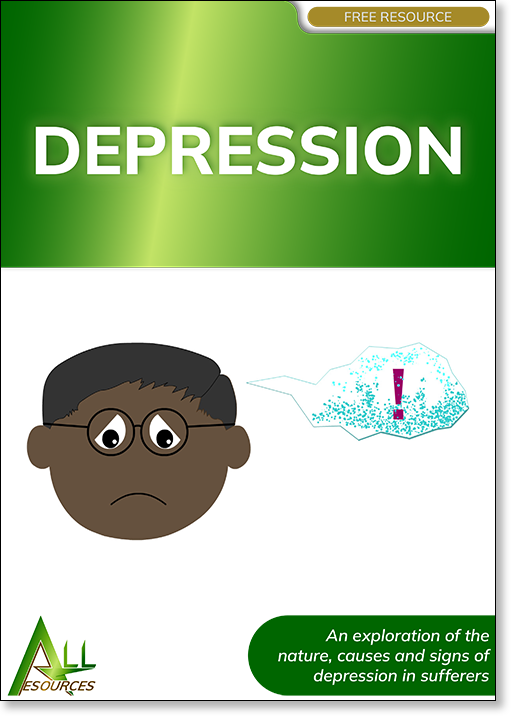
Depression
How can someone tell if they are suffering with depression? This free resource seeks to find out.
- Category: Schools
- Pages: 8
Free Download
Loneliness
What is loneliness and what causes people to feel lonely? This free resource explores these questions.
- Category: Schools
- Pages: 6
Free Download