
 Log In
 Register



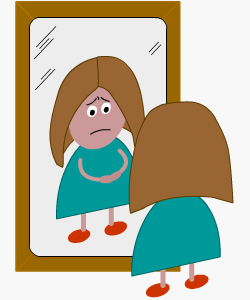
During Mental Health Awareness Week 2018 we have produced a series of blogs which highlight the increase in mental health disorders and the impact this has on physical wellbeing. A key point to remember is that maintaining good mental health is as important as maintaining good physical health. Our first blog will examine generalised anxiety disorder (GAD).
What is GAD?
One in four people will experience a mental health difficulty in their lives and generalised anxiety disorder is the most common of the anxiety disorders. Symptoms of GAD include excessive worrying and anxiety that is difficult to control, fatigue, restlessness, sleep disturbance, tension in the muscles and decreased concentration.
Diagnosing GAD involves monitoring the above symptoms over a period of at least six months. People who suffer with GAD are unable to stop or control the cycle of worry. They feel anxious and fretful when confronted with specific circumstances or when anticipating certain events which in themselves do not warrant any real concern. Anxiety also causes individuals to worry even when there is no genuine cause for concern.
For a sufferer of generalised anxiety disorder, simply getting through the day can cause anxiety. It is common for GAD sufferers to experience other anxiety disorders such as substance abuse, OCD, depression and panic disorder.
It is perfectly normal to experience anxiety at some point in our lives. However, people with GAD experience anxiety on an exaggerated level, so much so that it impacts negatively and significantly on their day to day lives. But the good news is that there is help for those who suffer from extreme anxiety. No one should suffer in silence.
Dealing with GAD
If you display some of the signs of GAD, it is important to talk to someone you trust. There are many treatments available such as CBT or anxiety therapy. Confiding in your GP is vital as you may require medication to stabilise the anxiety attacks. Mindfulness and meditation are popular therapies which might help alleviate the symptoms. Exercise is also an excellent alternative method which can be used for many mental health disorders and has been proven to greatly improve mental health.
Taking care of our mental health is vital because it plays a major role in our ability to maintain good physical health. Thankfully people who experience mental health issues can overcome them with the right help and support.
Mental Health Resources
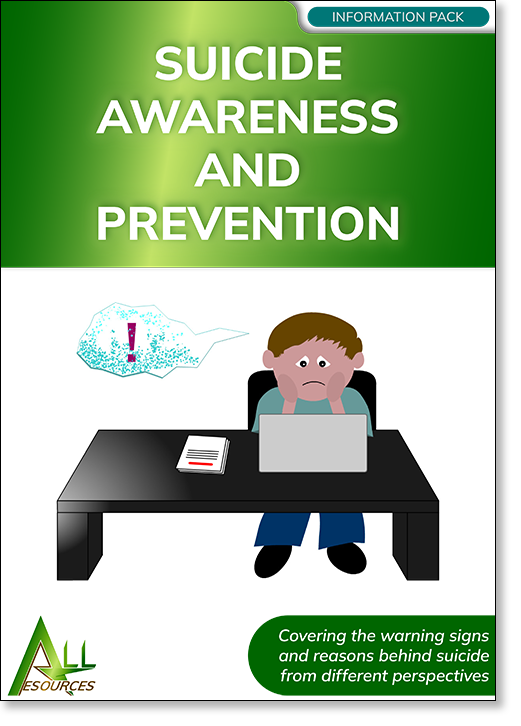
Suicide Awareness and Prevention
Covers suicide from a variety of perspectives, the reasons behind suicide, the groups most at risk and the warning signs.
- Category: General
- Published: 2022
- Pages: 61
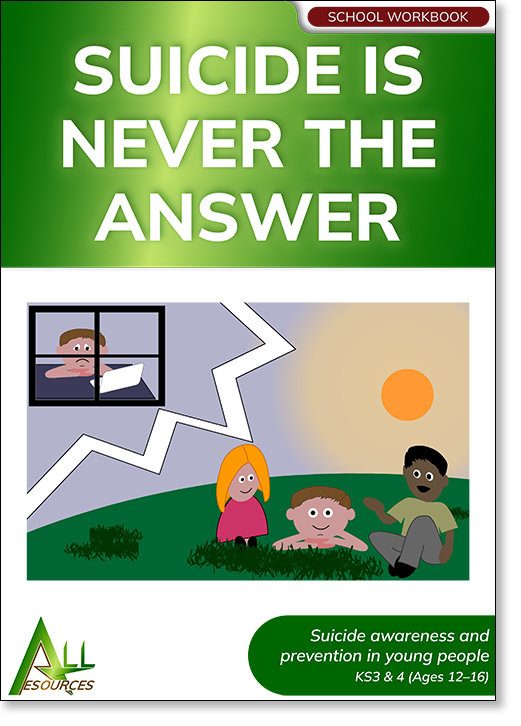
Suicide is Never the Answer
Understand the reasons behind suicidal feelings in young people and recognise the signs to help prevent this tragedy.
- Age range: 12 years and upwards
- Category: Schools
- Published: 1999
- Last revised: 2022
- Pages: 44
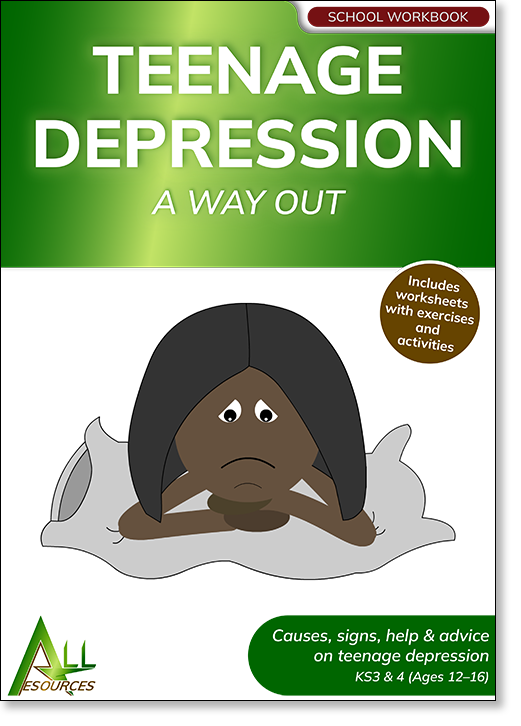
Teenage Depression — A Way Out
Tackles the issue of depression including causes and signs that parents and teachers can look out for.
- Age range: 12 years and upwards
- Category: Schools
- Published: 1999
- Last revised: 2022
- Pages: 87
Mental Health Lesson Plans
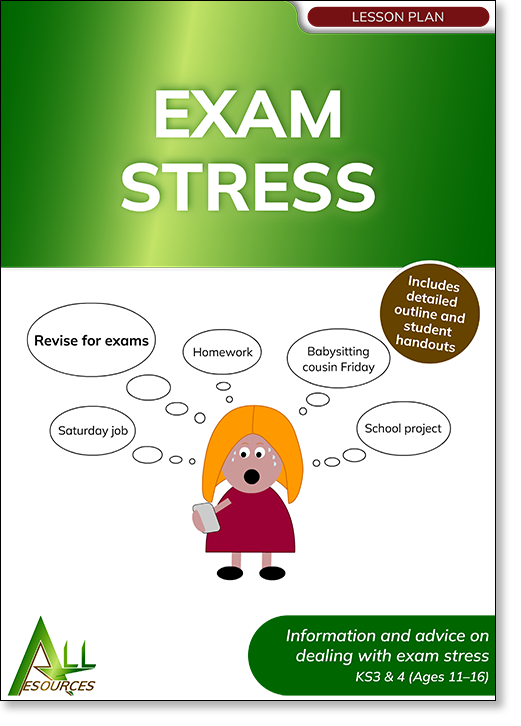
Exam Stress
This lesson plan provides information and advice on dealing with exam stress.
- Age range: 12
- Category: Schools
- Published: 2022
- Pages: 17
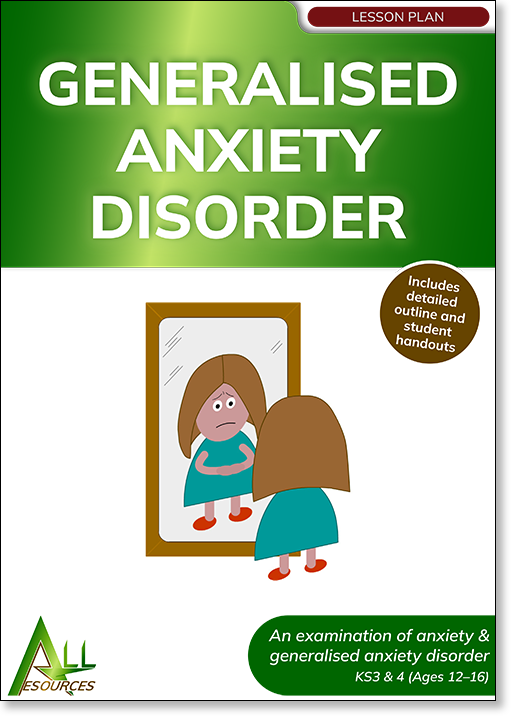
Generalised Anxiety Disorder
A lesson plan examining teenage anxiety and generalised anxiety disorder — a more extreme form of anxiety.
- Age range: 12 years and upwards
- Category: Schools
- Published: 2022
- Pages: 14
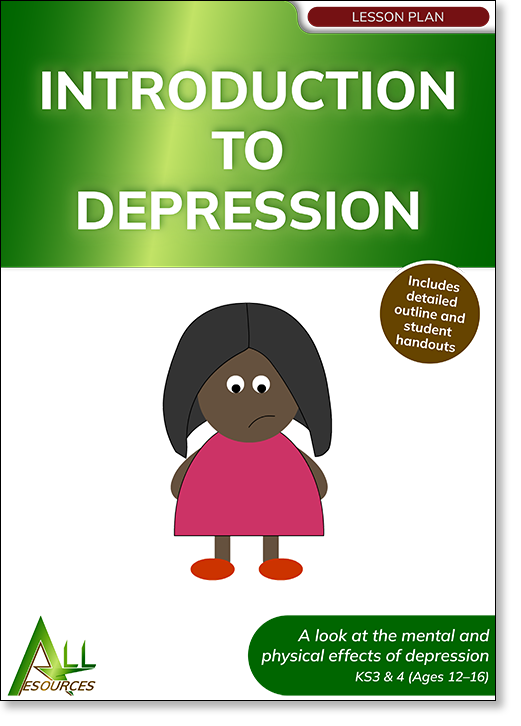
Introduction to Depression
This lesson plan introduces depression and the way it affects us physically and mentally.
- Age range: 12 years and upwards
- Category: Schools
- Published: 2022
- Pages: 14
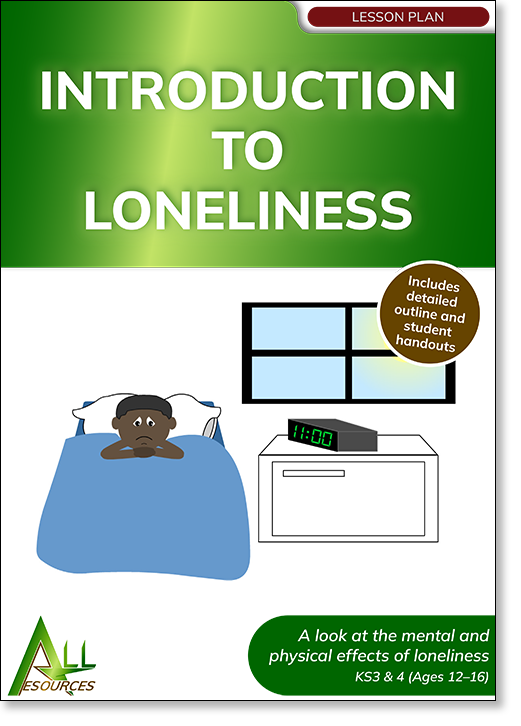
Introduction to Loneliness
An introduction to loneliness and the way it affects our physical and mental health.
- Age range: 12 years and upwards
- Category: Schools
- Published: 2022
- Pages: 15
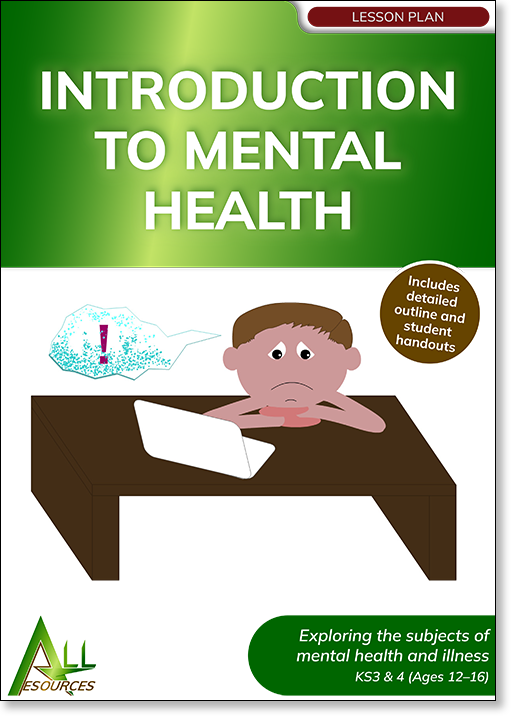
Introduction to Mental Health
This lesson plan introduces the subject of mental health and mental illness.
- Age range: 12 years and upwards
- Category: Schools
- Published: 2022
- Pages: 15
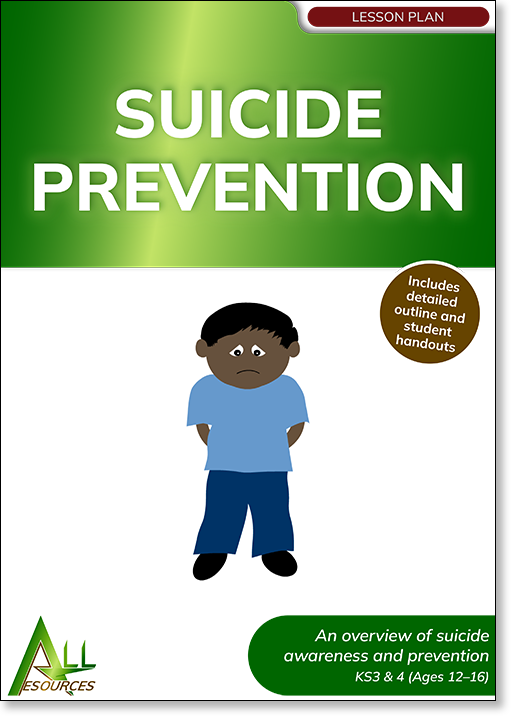
Suicide Prevention
A lesson plan designed to promote suicide awareness and prevention.
- Age range: 12 years and upwards
- Category: Schools
- Published: 2022
- Pages: 21
Free Mental Health Resources
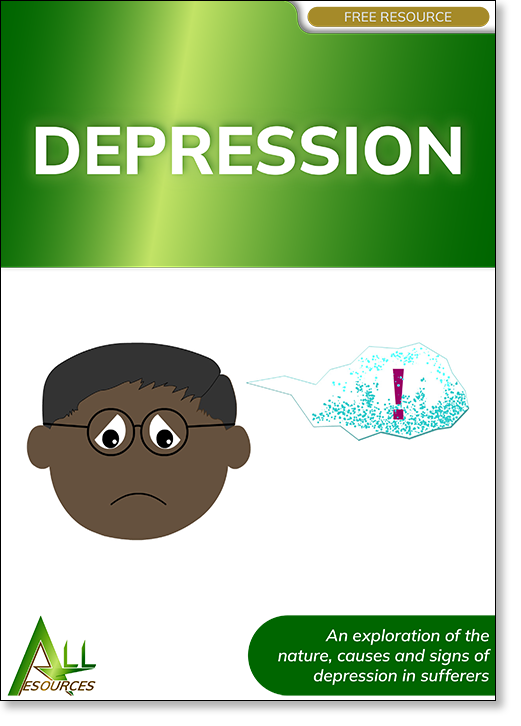
Depression
How can someone tell if they are suffering with depression? This free resource seeks to find out.
- Category: Schools
- Pages: 8
Free Download
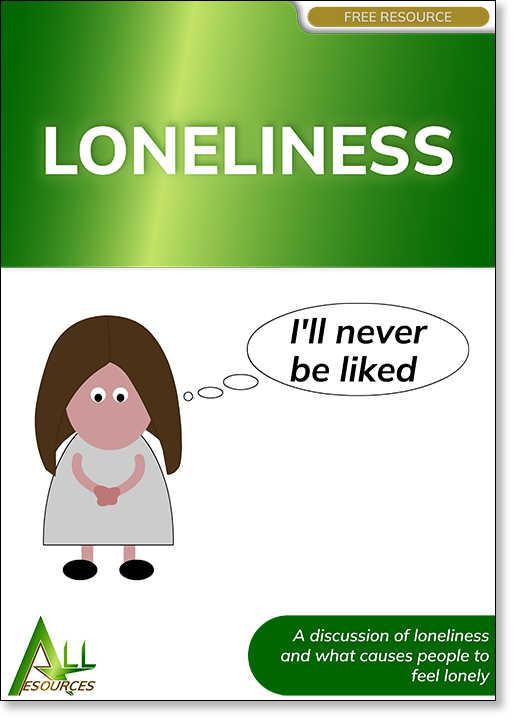
Loneliness
What is loneliness and what causes people to feel lonely? This free resource explores these questions.
- Category: Schools
- Pages: 6
Free Download