
 Log In
 Register



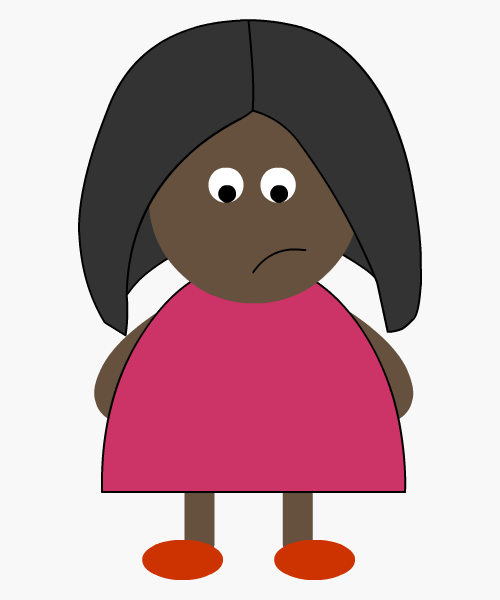
The next blog in the series for Mental Health Awareness Week 2018 is highlighting the anguish of panic attacks.
A panic attack is an intense reaction to fear. While an attack can be a one-off occurrence, in most cases the initial attack is the first of many.
Symptoms of Panic Attacks
There are many physical symptoms of panic attacks and these include sweating and trembling, anxiety, nausea, rapid pulse, lack of air & trouble breathing and a rapidly beating heart.
Not everyone who suffers with panic attacks will share the same symptoms. However, the certainty of a panic attack is that you will know you are having one — even if you do not understand what is happening to you.
Panic Disorder
Panic disorder is the term used for someone who sufferers regular or frequent panic attacks. A panic attack can occur out of the blue without warning, even when there is no apparent reason. As with other mental health disorders, there are ways to treat and manage panic attacks.
Causes of Panic Attacks
It is important to address any underlying anxiety which causes an individual to suffer from panic attacks. For example, is there a root cause which triggers a panic attack in a sufferer? Excessive stress and anxiety may be an underlying factor, but panic attacks can also be triggered by phobias.
Having experienced a panic attack, an individual can develop a fear of experiencing further attacks. The anxiety attached to this fear can in turn lead to the development of agoraphobia.
Ways to Cope with Panic Attacks
There are a number of ways of coping with panic attacks:
- Discuss your anxiety or stress with your GP. Depending on the severity of the attacks, you may require medication or some other remedy. Medication is most effective when combined with other treatments, such as therapy and lifestyle changes.
- Being mindful and in control of your breathing can relieve some of the symptoms of panic.
- Cognitive behavioural therapy (CBT) is probably the most effective form of therapy for tackling panic attacks. Your GP can refer you to a CBT practitioner.
- Exercise can help alleviate stress as it is a natural anxiety reliever.
- Avoid smoking, alcohol and caffeine if a dependency on them could be a trigger.
As with other mental health disorders, panic attacks can be very debilitating and frightening, but there are things you can do to help you cope and overcome panic. Anxiety can be managed, and dealing with the underlying anxiety will in turn reduce the risk of panic disorder.
Mental Health Resources
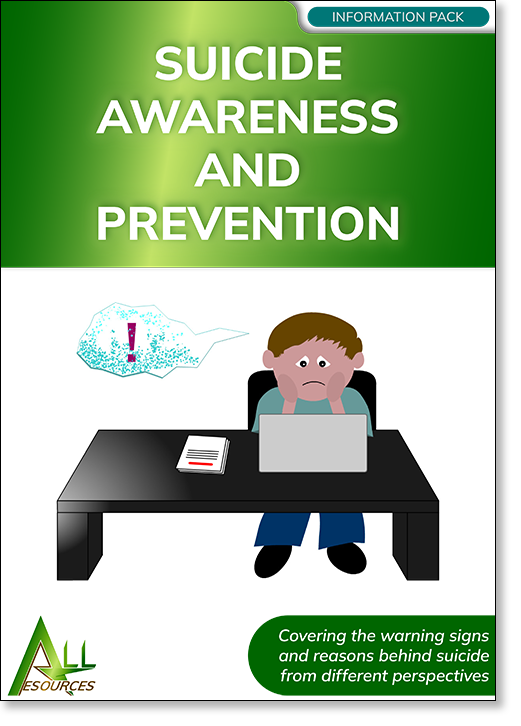
Suicide Awareness and Prevention
Covers suicide from a variety of perspectives, the reasons behind suicide, the groups most at risk and the warning signs.
- Category: General
- Published: 2022
- Pages: 61
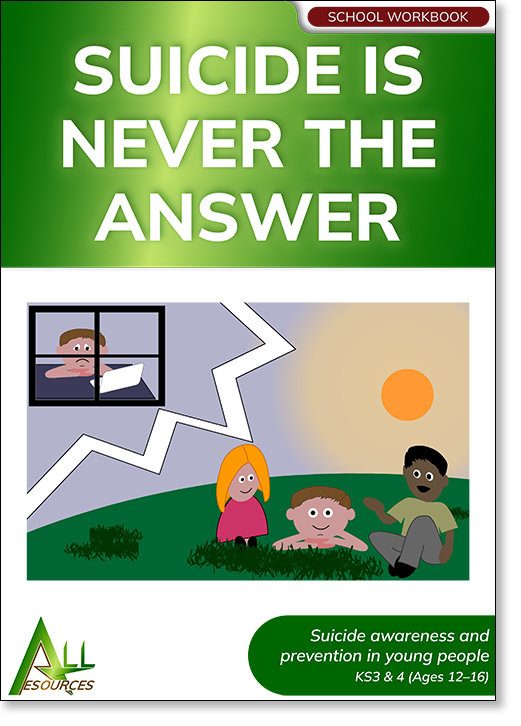
Suicide is Never the Answer
Understand the reasons behind suicidal feelings in young people and recognise the signs to help prevent this tragedy.
- Age range: 12 years and upwards
- Category: Schools
- Published: 1999
- Last revised: 2022
- Pages: 44
Teenage Depression — A Way Out
Tackles the issue of depression including causes and signs that parents and teachers can look out for.
- Age range: 12 years and upwards
- Category: Schools
- Published: 1999
- Last revised: 2022
- Pages: 87
Mental Health Lesson Plans
Exam Stress
This lesson plan provides information and advice on dealing with exam stress.
- Age range: 12
- Category: Schools
- Published: 2022
- Pages: 17
Generalised Anxiety Disorder
A lesson plan examining teenage anxiety and generalised anxiety disorder — a more extreme form of anxiety.
- Age range: 12 years and upwards
- Category: Schools
- Published: 2022
- Pages: 14
Introduction to Depression
This lesson plan introduces depression and the way it affects us physically and mentally.
- Age range: 12 years and upwards
- Category: Schools
- Published: 2022
- Pages: 14
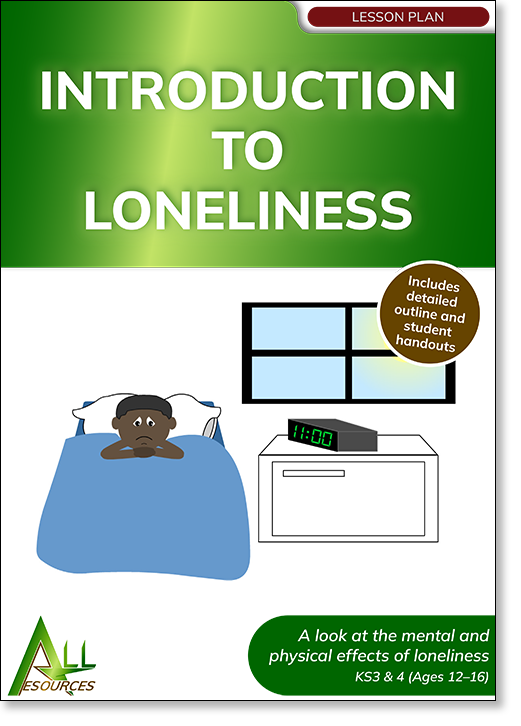
Introduction to Loneliness
An introduction to loneliness and the way it affects our physical and mental health.
- Age range: 12 years and upwards
- Category: Schools
- Published: 2022
- Pages: 15
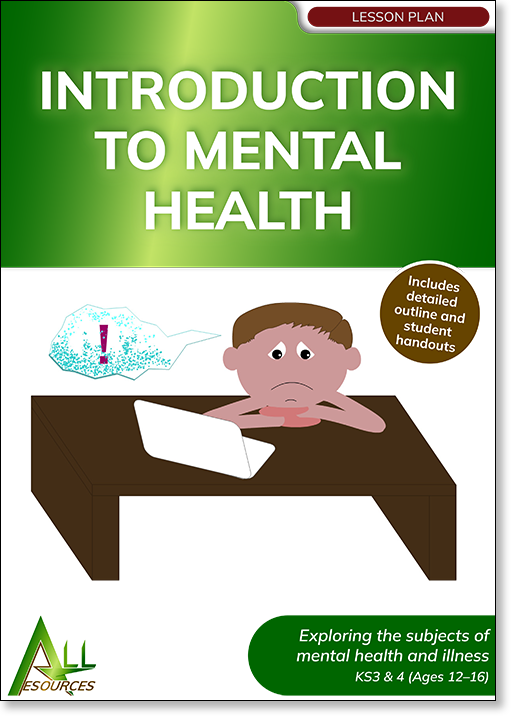
Introduction to Mental Health
This lesson plan introduces the subject of mental health and mental illness.
- Age range: 12 years and upwards
- Category: Schools
- Published: 2022
- Pages: 15
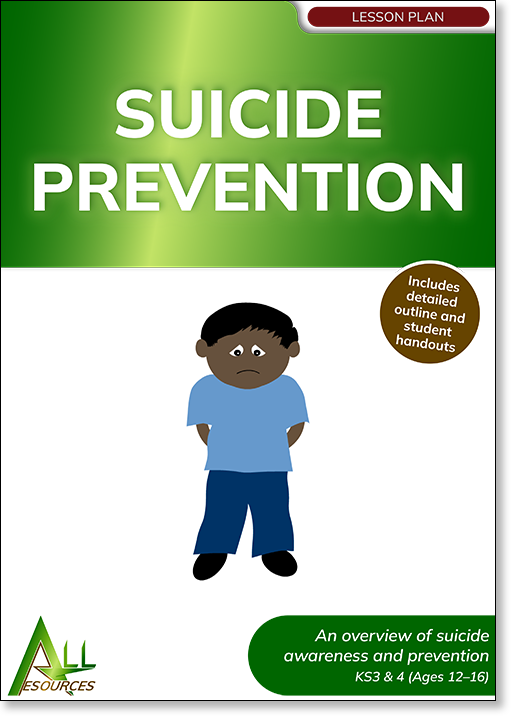
Suicide Prevention
A lesson plan designed to promote suicide awareness and prevention.
- Age range: 12 years and upwards
- Category: Schools
- Published: 2022
- Pages: 21
Free Mental Health Resources
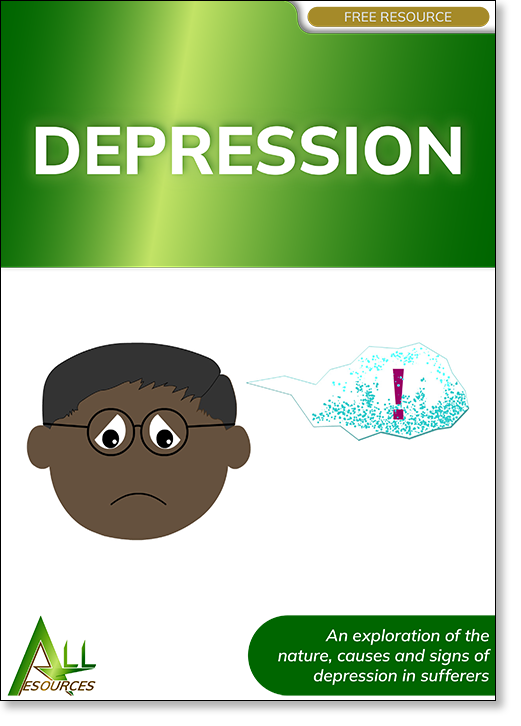
Depression
How can someone tell if they are suffering with depression? This free resource seeks to find out.
- Category: Schools
- Pages: 8
Free Download
Loneliness
What is loneliness and what causes people to feel lonely? This free resource explores these questions.
- Category: Schools
- Pages: 6
Free Download