
 Log In
 Register



In conjunction with World Mental Health Day 2023, this blog examines bipolar disorder, its symptoms and the help available for those with the disorder.
What is Bipolar Disorder?
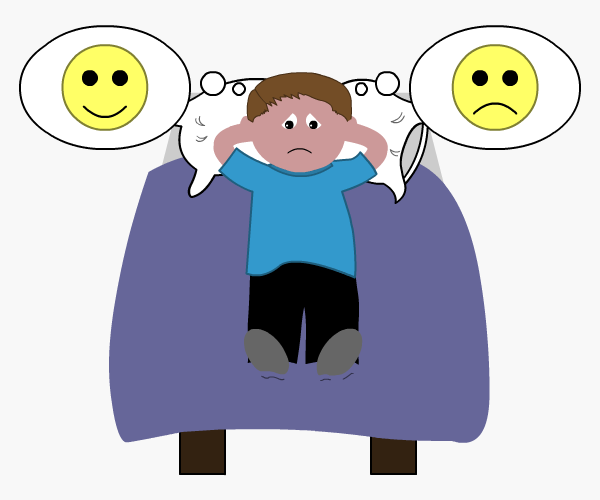
Bipolar disorder is a mental illness. People with bipolar disorder experience episodes of extreme highs and debilitating lows. These are identified as mania, elation and depression. Bipolar disorder was formally known as manic-depressive disorder because it causes a person’s moods, energy level and activity levels to shift rapidly.
Bi, meaning two, and polar, meaning opposites, gives us the simple definition of two opposites or the highs and lows.
How Does Bipolar Disorder Identify?
Bipolar disorder can identify very differently in each individual. The spectrum of bipolar peaks at extreme mania, followed by hypomania (mild to moderate mania) before transitioning to a stable mood and finally progressing to mild depression, moderate depression and then severe depression.
There are three types of bipolar disorder:
- Type 1 bipolar.
- Type 2 bipolar.
- Cyclothymic disorder.
These will be discussed in more depth in the following blogs in this series.
What Are the Symptoms of Bipolar Disorder?
There are various symptoms which identify in an individual when they are going through a manic episode and when they are going through a depressive episode. It is vital that these symptoms are understood by individuals trying to manage their triggers and for those who are helping and supporting a person with bipolar disorder.
Some symptoms of a manic episode include:
- Having a lack of control around spending money.
- Exhibiting very high levels of energy reaching extreme peaks.
- Being exceptionally talkative with high levels of elation and positivity.
- Acting very self-important or having an extreme belief about one’s power, wealth, talents etc.
- Becoming very easily agitated, irritated and distracted.
- Partaking in behaviours that pose a significant risk of harm.
The actions during a manic phase could have a very negative effect on an individual’s relationships and finances.
Some symptoms of a depressive period include:
- Exhibiting a complete lack of vigour with a total lack of concentration.
- Feeling hopeless, worthless and despondent.
- Losing one’s appetite alongside disturbed sleeping patterns.
- Having reoccurring suicidal thought patterns.
- Experiencing feelings of doubt and guilt for no reason.
- Losing interest in everyday activities and things which would ordinarily inspire curiosity.
These symptoms can be serious, especially if an individual is contemplating suicide.
What Help is There for Those with Bipolar Disorder?
There are options to treat and manage bipolar disorder. They include medication to stabilise mood swings, therapies or counselling. There are also self-help measures that can contribute to managing bipolar disorder including lifestyle changes such as taking regular exercise, eating a nutritious diet and getting eight hours of sleep each night.
Mental Health Resources
Suicide Awareness and Prevention
Covers suicide from a variety of perspectives, the reasons behind suicide, the groups most at risk and the warning signs.
- Category: General
- Published: 2022
- Pages: 61
Suicide is Never the Answer
Understand the reasons behind suicidal feelings in young people and recognise the signs to help prevent this tragedy.
- Age range: 12 years and upwards
- Category: Schools
- Published: 1999
- Last revised: 2022
- Pages: 44
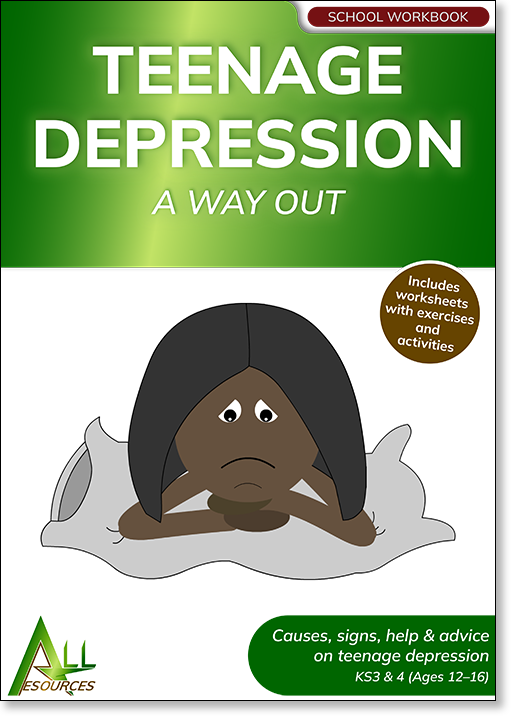
Teenage Depression — A Way Out
Tackles the issue of depression including causes and signs that parents and teachers can look out for.
- Age range: 12 years and upwards
- Category: Schools
- Published: 1999
- Last revised: 2022
- Pages: 87
Mental Health Lesson Plans
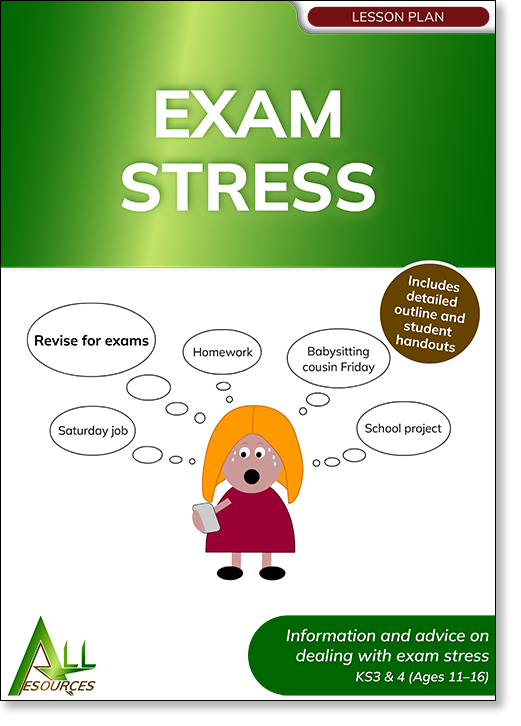
Exam Stress
This lesson plan provides information and advice on dealing with exam stress.
- Age range: 12
- Category: Schools
- Published: 2022
- Pages: 17
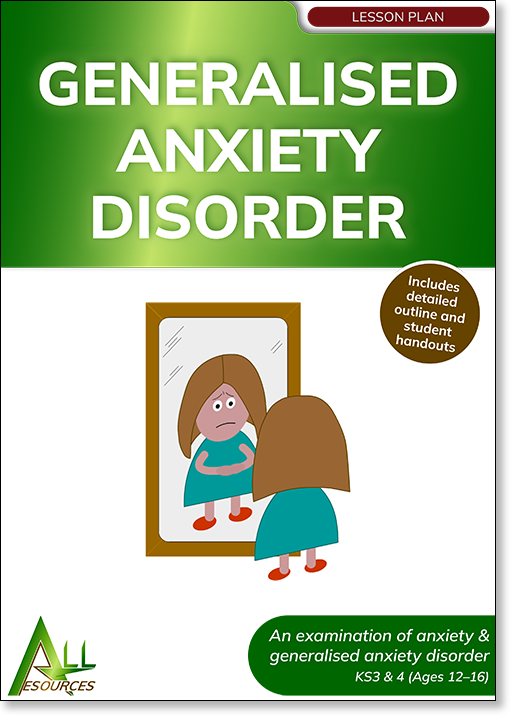
Generalised Anxiety Disorder
A lesson plan examining teenage anxiety and generalised anxiety disorder — a more extreme form of anxiety.
- Age range: 12 years and upwards
- Category: Schools
- Published: 2022
- Pages: 14
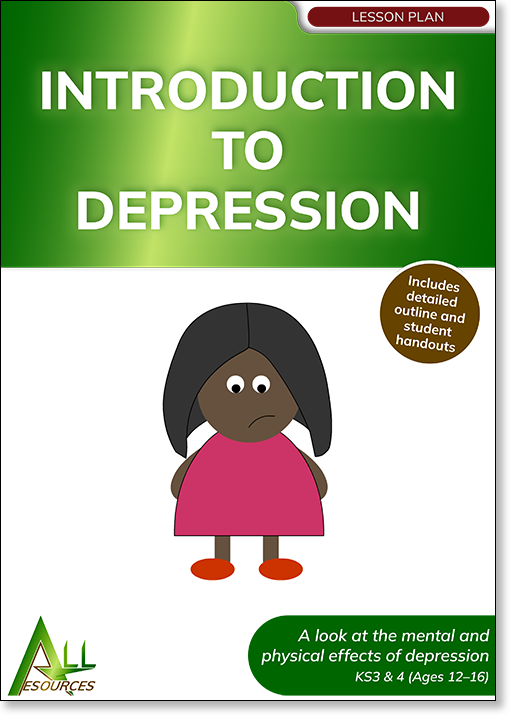
Introduction to Depression
This lesson plan introduces depression and the way it affects us physically and mentally.
- Age range: 12 years and upwards
- Category: Schools
- Published: 2022
- Pages: 14
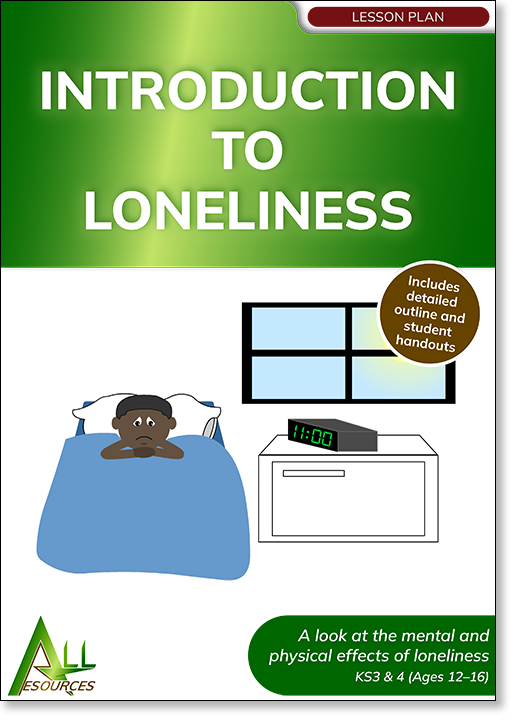
Introduction to Loneliness
An introduction to loneliness and the way it affects our physical and mental health.
- Age range: 12 years and upwards
- Category: Schools
- Published: 2022
- Pages: 15
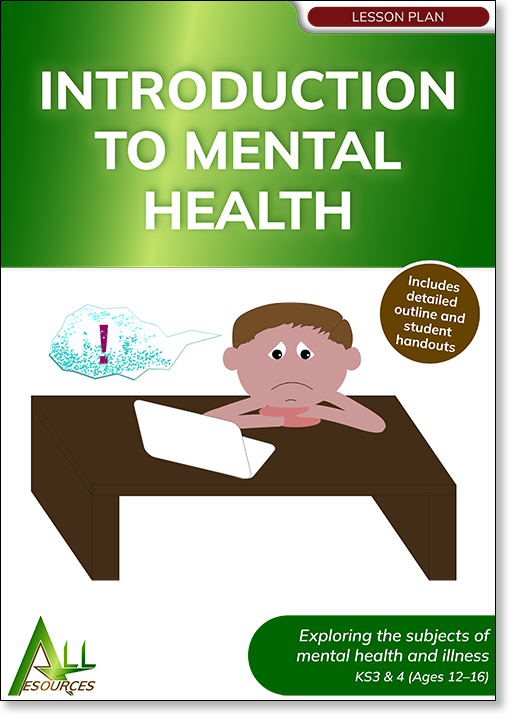
Introduction to Mental Health
This lesson plan introduces the subject of mental health and mental illness.
- Age range: 12 years and upwards
- Category: Schools
- Published: 2022
- Pages: 15
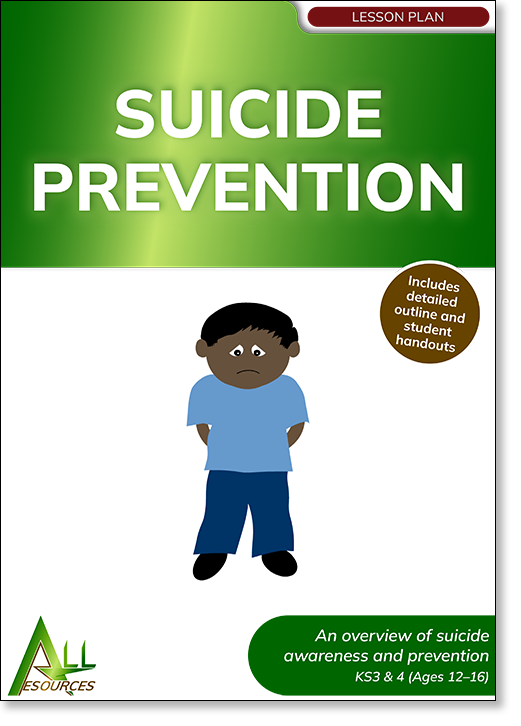
Suicide Prevention
A lesson plan designed to promote suicide awareness and prevention.
- Age range: 12 years and upwards
- Category: Schools
- Published: 2022
- Pages: 21
Free Mental Health Resources
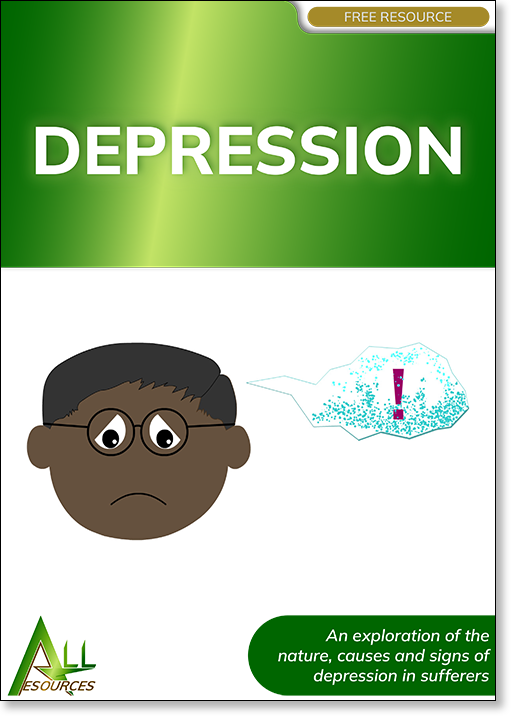
Depression
How can someone tell if they are suffering with depression? This free resource seeks to find out.
- Category: Schools
- Pages: 8
Free Download
Loneliness
What is loneliness and what causes people to feel lonely? This free resource explores these questions.
- Category: Schools
- Pages: 6
Free Download