 Log In
 Register



Cyberbullying is a word we hear a lot today, but many people are unaware how prevalent it is, the forms it takes and how to handle it. We explore these questions below.
The Prevalence of Cyberbullying
Anyone can be a target of bullies. Bullying is not restricted to a certain age, race, gender, religion or sexuality. In fact, cyberbullying has become one of the most pervasive forms of bullying mainly due to the increase in technology coupled with widespread access to the internet.
A core problem with cyberbullying is the anonymity it grants to the perpetrator. We may be fully aware that any form of bullying is wrong, but have we ever fallen into the trap of overstepping the boundaries of acceptable behaviour when online?
Forms of Cyberbullying
The term ‘keyboard warrior’ conjures up images of a justified crusade against a perceived wrong, but there can be a thin line between harmless banter and abuse when using social media.
People with anger or hatred issues, who may not normally have the courage to speak out, may feel justified in antagonising or even bullying strangers on the internet. Safe and anonymous behind their computer screens, they may use unacceptable language and insults to get their point across.
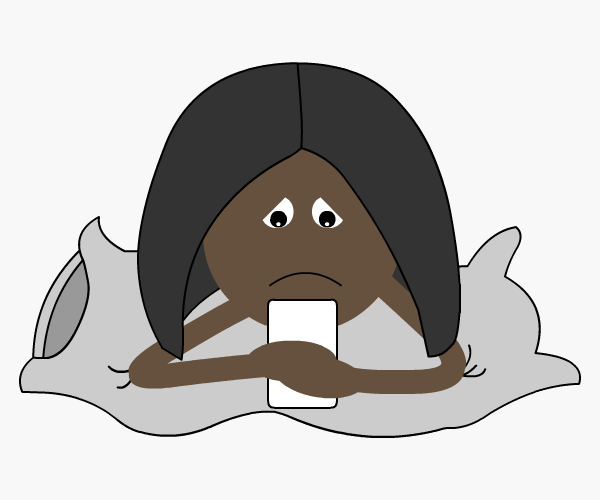
Often, the person doing the bullying will not stop to think about the consequences of their actions, whereas the individual being bullied may take every word to heart, leading to feelings of worthlessness and anxiety. It is hard to imagine that words on a screen can have such an impact, but we must remember that vulnerable people can take insults very personally.
Handling Online Bullying
So what is the best way to deal with cyberbullying? The important things to remember are:
- Do not respond to the bully. This may seem obvious, but it is the best advice. Bullies want a reaction, so don’t give them one. Do not allow ignorant comments and name calling to affect you.
- Keep a record of abuse. Document any abusive messages you have received including details of names, apps/forums and websites. Pass these on to the relevant authorities such as the internet service provider, mobile phone network or social media site.
- Talk to someone. Confide in a trusted adult, friend, parent or teacher.
- Use secure online settings. If a cyberbully gains access to your social profiles they could send false messages or broadcast posts and comments to make you look bad, or worse!
Keep all your internet accounts protected by having strong passwords and login credentials. Using 2FA adds an extra layer of security to passwords. Answers to security questions should be known only by you. Be sure to review and activate the privacy settings on your social media websites/apps. - Keep your data private. Never give out your passwords or personal details — not even to friends.
- Block the bully. Block their online handles and phone number from your contacts, forums, messages, emails and social media accounts.
For more information about keeping safe online check our resource ‘Personal Safety in Cyberspace’.
Bullying Resources
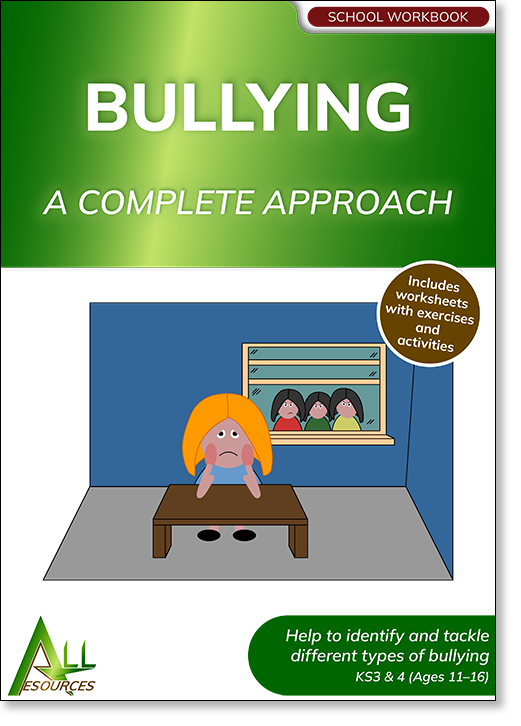
Bullying — A Complete Approach
School Workbook
Methods and tips to identify, tackle and prevent bullying.
- Published: 1999
- Last revised: 2022
- Pages: 94
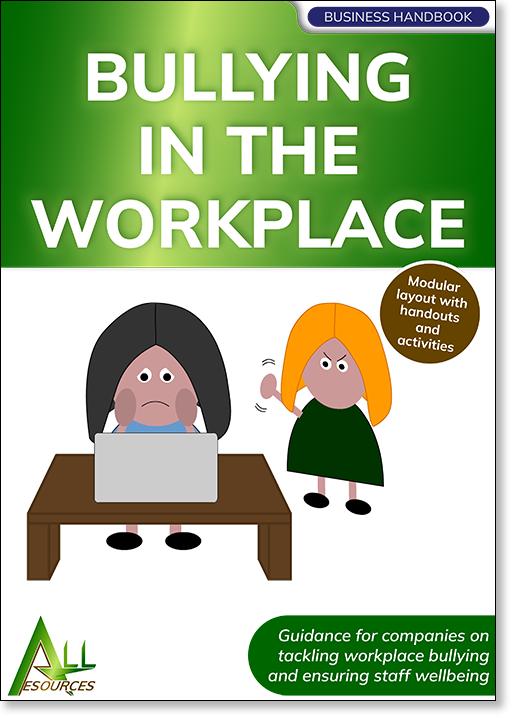
Bullying in the Workplace
Business Handbook
This pack provides guidance for companies on tackling workplace bullying, supporting the targets of bullying and ensuring the wellbeing of staff.
- Published: 2020
- Last revised: 2022
- Pages: 50
Bullying Lesson Plans
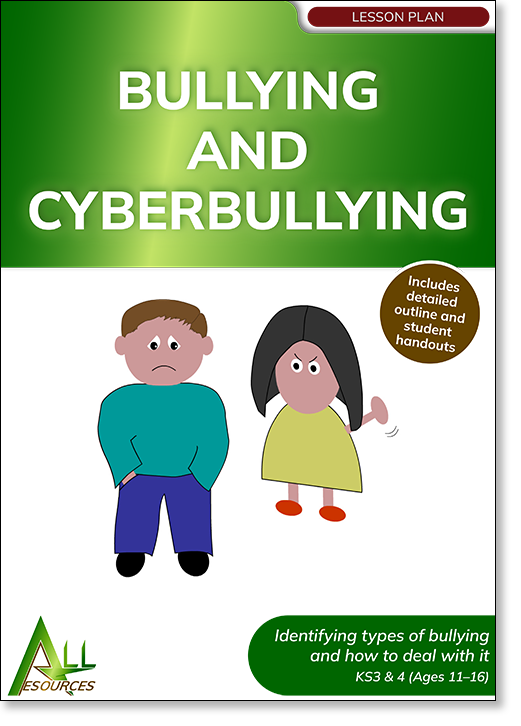
Bullying and Cyberbullying
Lesson Plan
Lesson plan exploring how to deal with bullying & cyberbullying, containing handouts for the classroom.
- Published: 2019
- Last revised: 2021
- Pages: 15
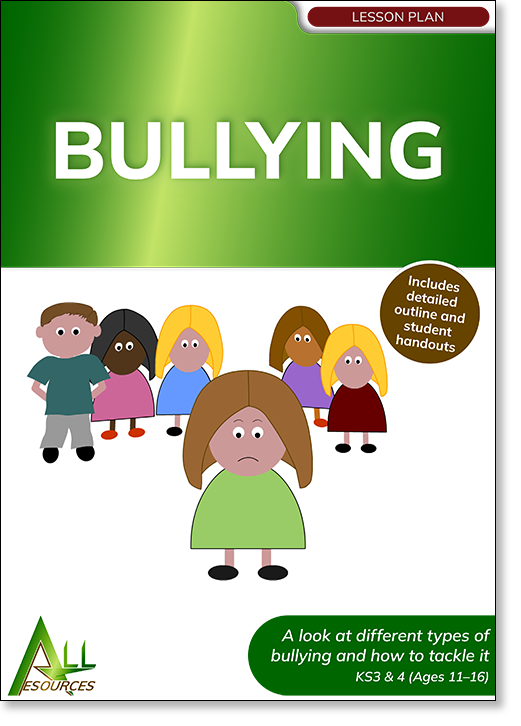
Bullying
Lesson Plan
This covers bullying, the types of bullying, the bully, the target and how to tackle bullying.
- Published: 2019
- Last revised: 2021
- Pages: 13
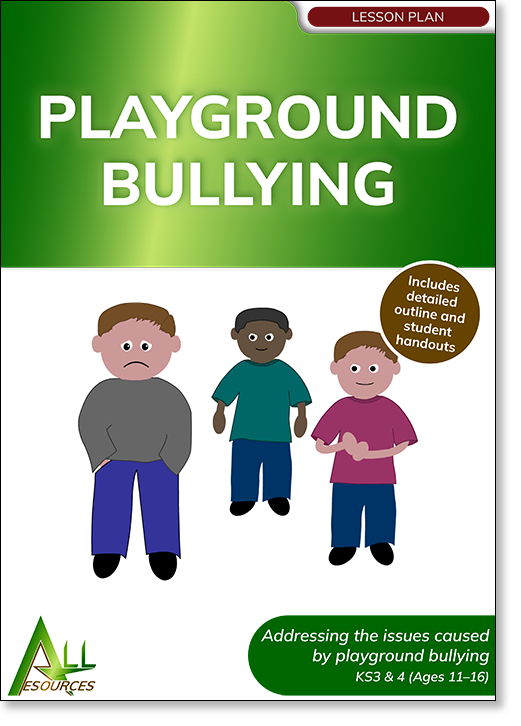
Playground Bullying
Lesson Plan
A lesson plan on playground bullying, the issues caused and addressing the topic.
- Published: 2022
- Pages: 17
Free Bullying Resources