
 Log In
 Register



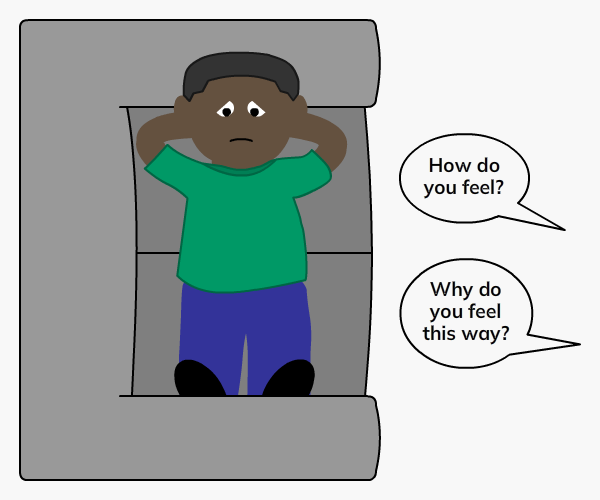
Suicide is a significant health and social problem and those with any form of addiction are most at risk. Numerous studies have highlighted the link between addiction and suicide.
It is well known that alcohol, and many other addictive substances, are depressants and therefore addiction can lead to depression which in turn can lead to suicidal thoughts. However, suicide is preventable, and with the right treatment and support, it is possible to help people recover from addiction.
Recovering from Addiction
When a recovering addict successfully completes an addiction recovery programme and leaves the rehabilitation centre, they have a number of challenges ahead. Completing the programme is no guarantee that they will adopt the principles of sober living.
There is a growing awareness surrounding the increased suicide risk for ex-rehab patients in the immediate period post-discharge. Studies have discovered the suicide rate is highest within the first three months after leaving rehab. For this reason, the majority of drug and alcohol rehabilitation centres provide their own aftercare services to reduce the risk of suicide and self-harm. These often consist of weekly meetings chaired by counsellors or volunteers.
Improvements to Aftercare Services
Unfortunately, one aftercare meeting per week is not enough. We need a greater emphasis on continuity of care, particularly for males who slip through the net. Far too often, vulnerable patients are left to fend for themselves after being discharged from the structured and safe confines of a rehab centre.
The risk of suicide in recovery is greater for men than women because men often have fewer support networks. However, there have been cases of male and female patients who were discharged from drug or alcohol rehabilitation centres only to end up homeless on the streets.
Daily counselling is needed for all those in addiction recovery, at least for the first three months. This will allow them time to develop new coping strategies to manage daily stresses while sober and will reduce the risk of suicide in aftercare.
Improvements to aftercare require significant investment from governments, and a genuine commitment to adopt a comprehensive mental health policy that adequately addresses mental health issues including suicide and addiction. Only then will we have good quality mental health services that safeguard the wellbeing of all in society.
Suicide Helplines
UK
- National Suicide Helpline UK: 0800 587 0800
- Samaritans UK: 116 123
Ireland
- Pieta House Ireland: 1800 247 247
- Pieta House Ireland: Text HELP to 51444
IASP Global Suicidal Crisis Support & Helplines
Suicide Resources
Suicide Awareness and Prevention
Covers suicide from a variety of perspectives, the reasons behind suicide, the groups most at risk and the warning signs.
- Category: General
- Published: 2022
- Pages: 61
Suicide is Never the Answer
Understand the reasons behind suicidal feelings in young people and recognise the signs to help prevent this tragedy.
- Age range: 12 years and upwards
- Category: Schools
- Published: 1999
- Last revised: 2022
- Pages: 44
Suicide Lesson Plans
Suicide Prevention
A lesson plan designed to promote suicide awareness and prevention.
- Age range: 12 years and upwards
- Category: Schools
- Published: 2022
- Pages: 21
Free Mental Health Resources
Depression
How can someone tell if they are suffering with depression? This free resource seeks to find out.
- Category: Schools
- Pages: 8
Free Download
Loneliness
What is loneliness and what causes people to feel lonely? This free resource explores these questions.
- Category: Schools
- Pages: 6
Free Download