
 Log In
 Register



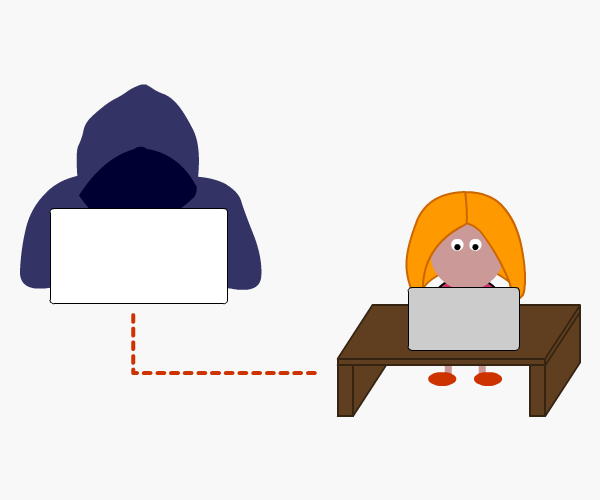
As part of our series for Safer Internet Day 2022, this blog will look at online grooming.
Young people today spend a great deal of time online, either on social media or gaming websites. While these may seem like harmless pursuits, not everyone online is who they say they are. The internet allows a great deal of anonymity and the increase in online grooming is a serious problem. However, before we can tackle it, we need to know exactly what constitutes online grooming and the way in which online predators operate.
Online Predation
Online grooming of children occurs when someone befriends a minor online and builds a friendship and relationship of trust with them with the sole purpose of exploiting them and causing them harm. Online groomers often use the internet to trick or pressure youngsters into doing something sexual, either online or in person.
Gaming and Social Media
Gaming is a popular hobby for many young people and sexual predators often use this avenue to seek out targets. Young people usually expect others they interact with in-game are around their own age but this is not always the case.
It is very easy for online predators to pretend to be someone else and forming a relationship over gaming can happen very rapidly. The same is true for social media. Anyone can create a fake profile with a false name, age and even a made up personality.
Parents, guardians and teachers must look out for the signs of online grooming which include:
- Being secretive both in regards to online and offline behaviour.
- Becoming withdrawn — showing signs of stress and anxiety.
- Having received gifts and electronics and refusing to say where they came from.
- Spending excessively more time online, usually in private.
If you think your child might be in danger of online grooming, you must contact the police or authorities. It is important to keep all online grooming content as a record of what has happened. In the UK, you can report online grooming to the Child Exploitation and Online Protection Command (CEOP). They can be contacted online and should be notified and involved as soon as possible. They have Child Protection Advisors who will help keep children and young people safe from sexual predators and exploitation.
The prevention of online grooming is paramount to making the internet a safe place for everyone. This is especially true of children and teenagers who are more likely to be targeted by online groomers.
Crimestoppers (anonymous): 0800 555 111
NSPCC: 0808 800 5000
Childline Ireland by ISPCC: 1800 666 666
CEOP: https://ceop.police.uk
Internet Safety Resources
Personal Safety in Cyberspace
This pack looks at the dangers of online grooming, malicious software, webcams, cyberbullying and scams.
- Age range: 12 years and upwards
- Category: Schools
- Published: 1999
- Last revised: 2023
- Pages: 73
Internet Safety Lesson Plans
Phishing Scams
A lesson plan on phishing and the different types of phishing scams used online.
- Age range: 12 years and upwards
- Category: Schools
- Published: 2021
- Last revised: 2022
- Pages: 15
Safety in Cyberspace
This lesson plan examines the dangers of the internet and how to stay safe on the web.
- Age range: 12 years and upwards
- Category: Schools
- Published: 2019
- Last revised: 2022
- Pages: 14