
 Log In
 Register



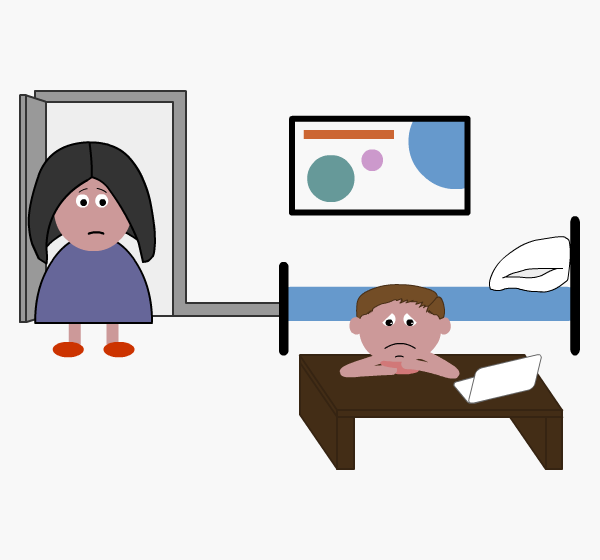
Why would someone attempt suicide and what are the signs of suicidal behaviour in an individual? These questions are the subject of this blog.
A common expression synonymous with suicide is that it is a ‘permanent solution to a temporary problem’. Identifying the signs that someone is contemplating suicide could ultimately save them from making this fatal decision.
What Causes Suicidal Behaviour?
The common factor in people who contemplated or attempted suicide is a feeling of helplessness — an overwhelming feeling that suicide is the only option. Having a mental health disorder is a major contributing factor. Depression is the main contributing illness but other mental health disorders such as bipolar or schizophrenia are also risk factors.
Substance abuse, having a family history of suicide or suffering sexual or emotional abuse are also high risk factors that can contribute to a person having thoughts of suicide.
How to Recognise the Signs of Suicidal Behaviour
There are potential warning signs that a person may be suicidal. It is imperative to look out for some of the following behaviours:
- Excessive melancholy behaviour or signs of hopelessness, sadness or moodiness.
- Suddenly displaying signs of calmness, especially after suffering a period of depression. This could signify that an individual has made the decision to end their life.
- Making out of the ordinary preparations such as giving away treasured possessions, putting personal business affairs in order, buying tablets, poison or other suicide paraphernalia or visiting and spending time with friends and family after periods of withdrawing from people.
- Making suicide threats. This is a serious sign — over half of those who attempt suicide will have threatened or warned someone about their intention to do so beforehand.
What Should I Do if I Recognise the Signs?
If you think that someone is having suicidal thoughts, or if you recognise any warning signs of suicide, you have to act.
- Talk to the person. Don’t be scared to ask if they are thinking about suicide or are depressed. In many cases the suicidal person just needs to talk to someone that cares. By talking to them and asking them to wait for 24 hours to reassess how they feel could be all it takes to halt a tragedy.
- Stay with them or contact family or friends who can stay with them and keep them safe.
- Remove any materials that could cause harm, and ask them about any medications they may have or be taking.
It is vital to talk to the suicidal person and persuade them to take some time before making a decision. A situation that previously seemed hopeless could change with a bit of time. Helpful and kind words could reinforce that there is light at the end of the tunnel.
Suicide Resources
Suicide Awareness and Prevention
Covers suicide from a variety of perspectives, the reasons behind suicide, the groups most at risk and the warning signs.
- Category: General
- Published: 2022
- Pages: 61
Suicide is Never the Answer
Understand the reasons behind suicidal feelings in young people and recognise the signs to help prevent this tragedy.
- Age range: 12 years and upwards
- Category: Schools
- Published: 1999
- Last revised: 2022
- Pages: 44
Suicide Lesson Plans
Suicide Prevention
A lesson plan designed to promote suicide awareness and prevention.
- Age range: 12 years and upwards
- Category: Schools
- Published: 2022
- Pages: 21
Free Mental Health Resources
Depression
How can someone tell if they are suffering with depression? This free resource seeks to find out.
- Category: Schools
- Pages: 8
Free Download
Loneliness
What is loneliness and what causes people to feel lonely? This free resource explores these questions.
- Category: Schools
- Pages: 6
Free Download