 Log In
 Register


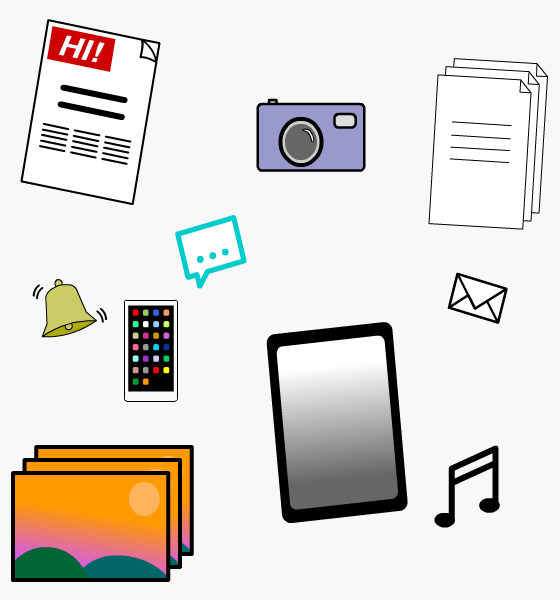
Never before has it been so important to ensure young people understand the world around them and the messages they are bombarded with via the media.
Our children are constantly showered with information via the internet (in the form of videos, social media, video games, forums etc) as well as TV, radio, newspapers and magazines. It is vital that they learn to discern where these messages come from and what they are trying to say. They need to develop analytical skills as well as the ability to sift the wheat from the chaff in order to deal with the influx of new media.
What is Media Literacy?
Media literacy is the ability to identify and fully understand the different types of media and the reasons behind the messages they send. It involves critical thinking skills — to be able to evaluate various types of communications media, put the message in context and analyse the credibility of both the message and the sender.
Media Messages
Questions about the messages of media communications need to be asked, such as:
- Why was the message sent?
- Who sent it?
- What is it trying to say?
- Is there a hidden meaning behind the message?
- What does the sender want you to do with this information?
Media literacy is the key to empowering young people with the skills to question the accuracy of information, to challenge different views and make informed media choices.
Fake News Education
We hear a lot about fake news and we all need to be able to tell truth from lies. Schools should therefore include media literacy as part of a comprehensive education programme. The aim should be to encourage young people to develop a number of skills in relation to broadcast and digital media so that they can:
- Access and search for information and material from a variety of media providers
- Identify the media strategy used and the message being sent as well as the type of content (e.g. advertising, fact, fiction, opinion etc)
- Evaluate the message based on personal experience and beliefs as well as the through the philosophy and values of the wider community
- Recognise misinformation, bias, extremist views, stereotyping, exaggeration and lies
- Produce their own message in a clear, inclusive and engaging style using a variety of content including text, images, audio and video
Media literacy education is crucial and should be part of every school’s curriculum. It encourages respect and understanding and benefits not just the students but society as a whole.
Media Literacy Lesson Plans
Media Literacy — Part 1
This covers skills linked to media literacy including definitions and handouts for the classroom.
- Age range: 12 years and upwards
- Category: Schools
- Published: 1999
- Last revised: 2022
- Pages: 17
Free Media Literacy Resources
What is Fake News?
How do we distinguish between real news and fake news? How are misinformation and untrue rumours spread through the media? Download this free pack to find out.
- Category: Schools
- Pages: 7
Free Download