 Log In
 Register


International Literacy Day takes place on the 8th September 2021. This topic has had little attention of late. However, this year it is especially important due to the recent pandemic, which led to the education of huge volumes of children being negatively affected.
The theme for Literacy Day 2021 is: ‘Literacy for a Human-Centred Recovery: Narrowing the Digital Divide’. This year, the highlight is on how the coronavirus pandemic has affected education and schooling throughout the world.
The disruption to education was unprecedented. At the start of the pandemic, 62.3 per cent of the worlds’ student population had their education disrupted. It is vital that those who have the advantage of being educated are aware that many others are not so fortunate.
Illiteracy Awareness
Literacy is an issue of global importance. International Literacy Day (ILD) draws our attention to the fact that there are 773 million non-literate young people and adults in the world. This is a worrying statistic. UNESCO (United Nations Educational, Scientific and Cultured Organization) have a dedicated virtual online presence this year to highlight the literacy resources they have available.
Being able to read is something that many people take for granted. The opportunity to be educated and taught to read from a young age is a privilege awarded to those in certain parts of the world. Unfortunately, many are born into a society where they will never be taught to read or write.
Reading and writing are common, everyday activities for most of us, and it is easy to become complacent about this opportunity. This is why International Literacy Day is such an important event. It draws our attention to the fact that more must be done to help children read and write early on.
Every child is entitled to an education. A good education not only helps a child get through day-to-day life more easily, but it also helps them find employment and have better prospects into adulthood.
Media Literacy Lesson Plans
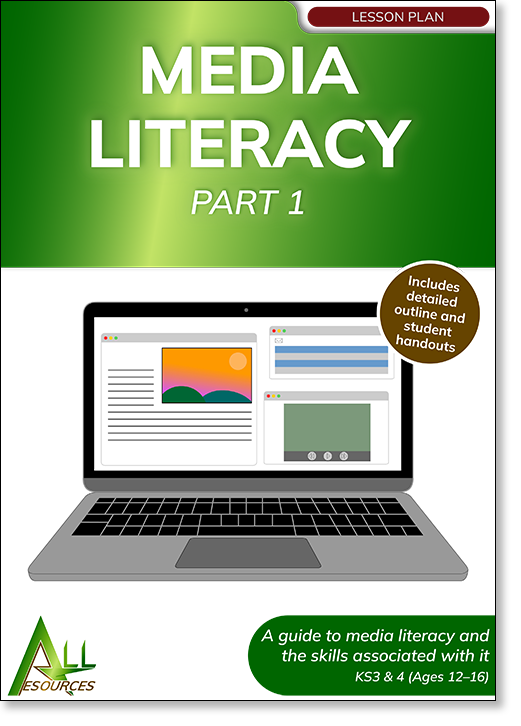
Media Literacy — Part 1
This covers skills linked to media literacy including definitions and handouts for the classroom.
- Age range: 12 years and upwards
- Category: Schools
- Published: 1999
- Last revised: 2022
- Pages: 17
Free Media Literacy Resources
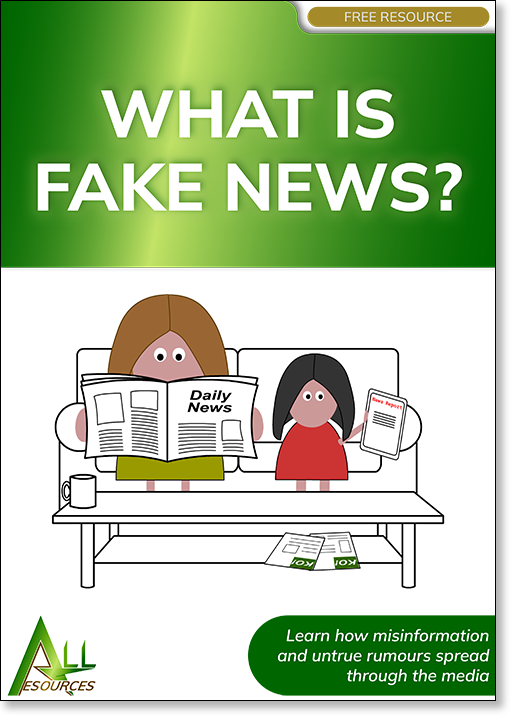
What is Fake News?
How do we distinguish between real news and fake news? How are misinformation and untrue rumours spread through the media? Download this free pack to find out.
- Category: Schools
- Pages: 7
Free Download